Underwater Scooters
Underwater Sea Scooters & Diver Propulsion Vehicles (DPV) Buyer Guide: Thrust, Depth, and Flight-Ready Batteries
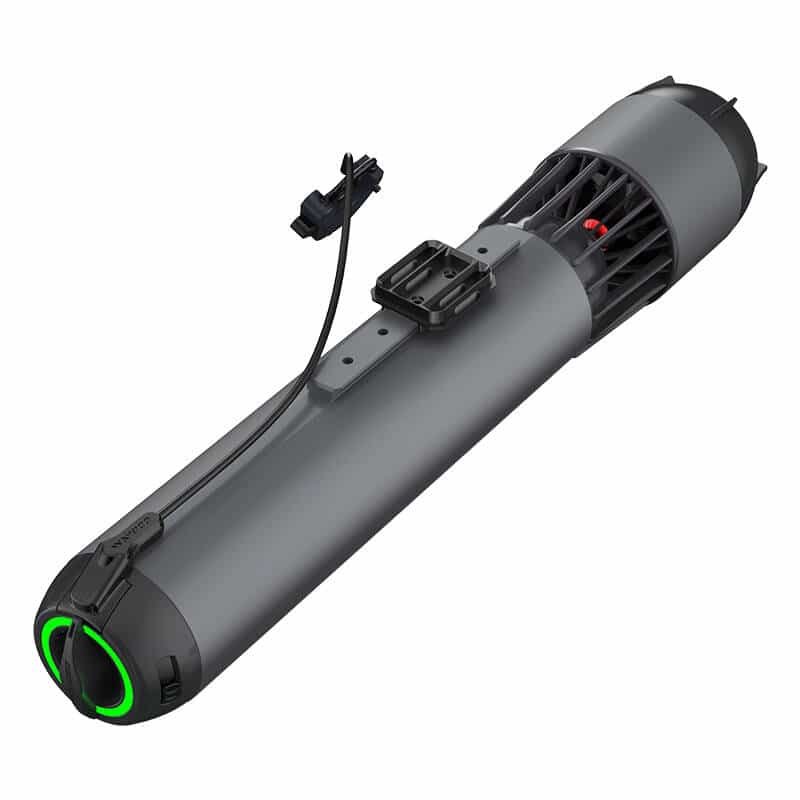
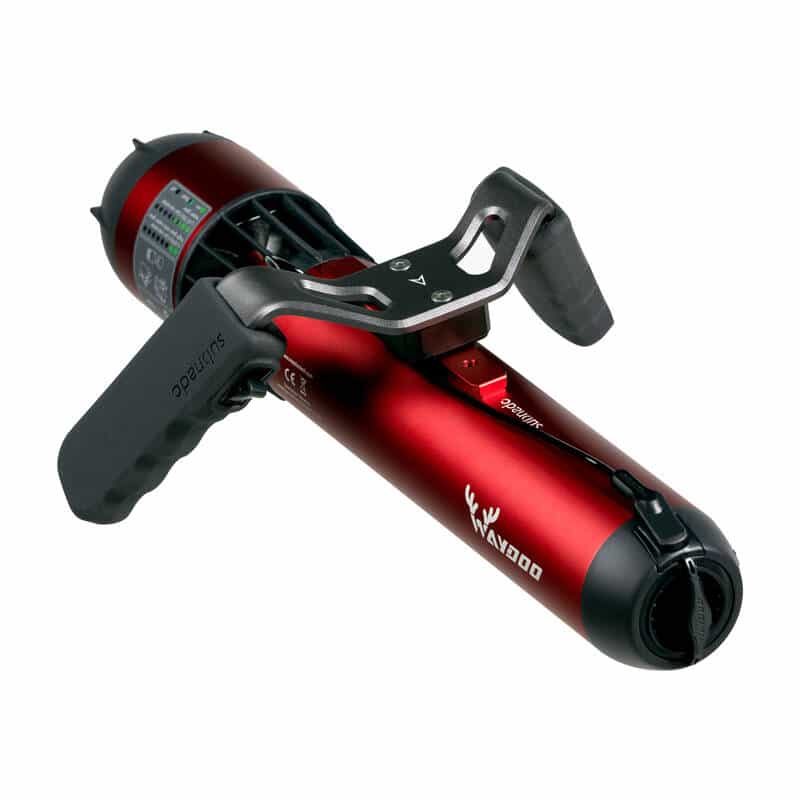
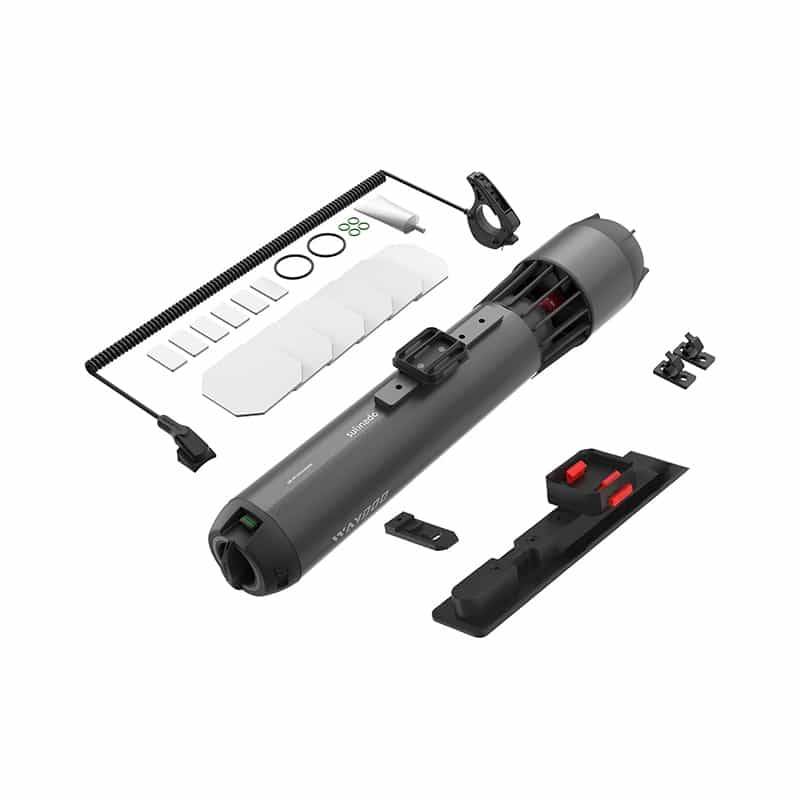
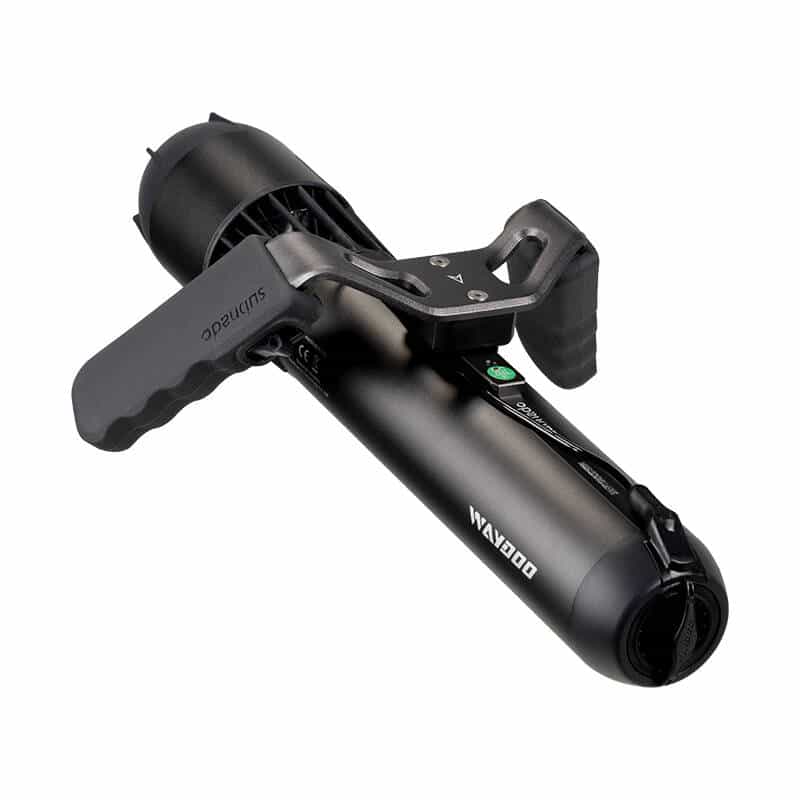
Underwater sea scooters and diver propulsion vehicles (DPV) transform snorkeling, freediving, and technical scuba excursions into effortless hydrodynamic flight. This buyer guide explores dual brushless electric thruster output, depth ratings down to 40 meters, buoyancy compensation modules, airline-approved 98Wh battery modules, and integrated action camera mounts.
Read Buyer's GuideShow less
Electric Propulsion, Thrust, and Hydrodynamics
Dual Brushless Submersible ThrustersTwin ducted propellers generate up to 10–12 kgf of balanced forward thrust, propelling swimmers at speeds up to 1.5–2.0 m/s (up to 7.2 km/h).
Multi-Gear Velocity ControlAllows users to toggle smoothly between an energy-sipping eco cruise mode for marine photography and a high-torque sport gear to conquer strong tides.
Sealed Magnetic Drive CouplingTransmits torque through a solid hermetic bulkhead via magnetic flux, eliminating shaft penetrations and dynamic rubber O-ring seal failures.
Finger-Proof Hydrodynamic Safety GrillesFine-pitch intake mesh prevents fingers, marine flora, and swimsuit straps from contacting spinning composite propeller blades.
Depth Ratings, Buoyancy Control, and Saltwater Resilience
Depth Rated up to 30–40 Meters (IP68 Rating)Reinforced structural polymer and anodized aluminum hulls withstand crushing hydrostatic pressures up to 4–5 bar for PADI recreational diving.
Positive vs. Neutral Buoyancy TuningDetachable buoyancy tanks ensure the scooter floats safely to the surface when released, or can be detached for neutral weightlessness at depth.
Marine-Grade 316L Stainless Steel and Titanium HardwareEliminates electrochemical galvanic corrosion, ensuring bearings, trigger contacts, and hardware resist aggressive ocean brine indefinitely.
One-Handed Navigation Control ModeEnables seasoned scuba divers to lock thrust with one hand, freeing the secondary hand to equalize masks, hold slates, or adjust BCD valves.
Aviation Battery Compliance and Imaging Mounts
Airline Flight-Approved 98Wh Lithium Modules (IATA)Formulated beneath the stringent 100Wh international commercial aviation limit, allowing hassle-free cabin carry-on transit to tropical dive resorts.
Quick-Swap Waterproof Battery CompartmentsAllows divers to swap out depleted battery packs in under ten seconds between boat dives without opening dry electronic hulls.
Integrated Universal Action Camera Mounts (GoPro)Centered forward-facing action camera mount captures stable first-person point-of-view 4K reef footage, also accepting high-lumen dive torches.
OLED Telemetry and Haptic Low-Battery WarningDisplays real-time battery percentage and selected gear, vibrating the grips when power reaches 20% to cue a safe, controlled ascent.
Frequently Asked Questions about Underwater Sea Scooters
Will the underwater scooter sink to the sea floor if I accidentally lose my grip?
No, not when using the standard buoyancy float module. Most consumer sea scooters include a detachable top float. If you release the dual safety triggers, the electric motors shut off instantly and the entire craft gently floats right to the surface. Technical scuba divers remove the float to achieve neutral buoyancy so the unit hovers weightlessly at depth.
Can I bring an underwater sea scooter on a commercial airplane for a tropical vacation?
Yes, provided you follow international aviation security regulations (IATA). Lithium batteries must strictly travel inside your passenger cabin carry-on luggage—never in checked baggage. Manufacturers specifically engineer scooter batteries with a 98Wh energy rating, safely sitting beneath the mandatory 100Wh airline threshold for unrestricted air travel. The scooter chassis without the battery can be checked in your suitcase.
How should I maintain and clean the sea scooter after swimming in the ocean?
After every outing in saltwater or chlorinated pools, submerge the sea scooter in a tub of clean, fresh tap water for 10 to 15 minutes. Squeeze the trigger grips several times while submerged to thoroughly flush out salt crystals, sand, and minerals from the magnetic motor bearings, preventing salt crust from jamming moving parts.
How long does one battery charge last in real-world swimming conditions?
Under continuous full-throttle operation in sport mode, runtime is typically 25 to 35 minutes. However, in real-world snorkeling and reef touring where you cruise in short bursts and stop to look at marine life, a single charge easily lasts between 45 and 60 minutes. Keeping a secondary spare battery in your dry bag doubles your dive time.