Chargers
Car Charger Buyer's Guide: USB-C Power Delivery, Wattage, and 12V/24V Compatibility
A reliable car charger delivers rapid, stable charging on the road without straining vehicle electrical systems. Selection comes down to charging protocols (PD 3.0, PPS, QC), dedicated single-port output wattage, and input voltage compatibility.
Read Buyer's GuideShow less
Car Charger Types & Applications
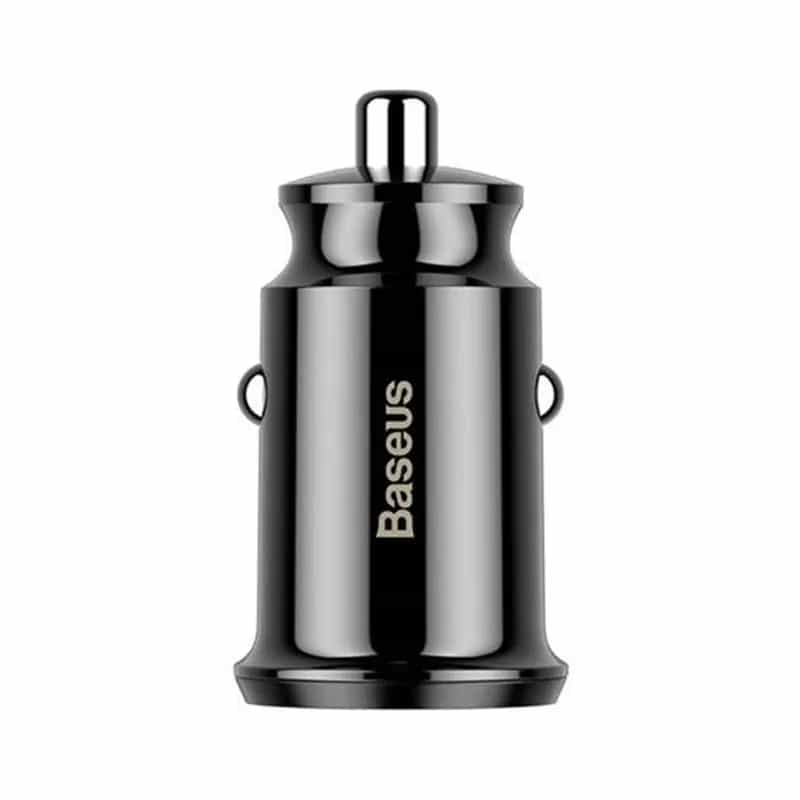
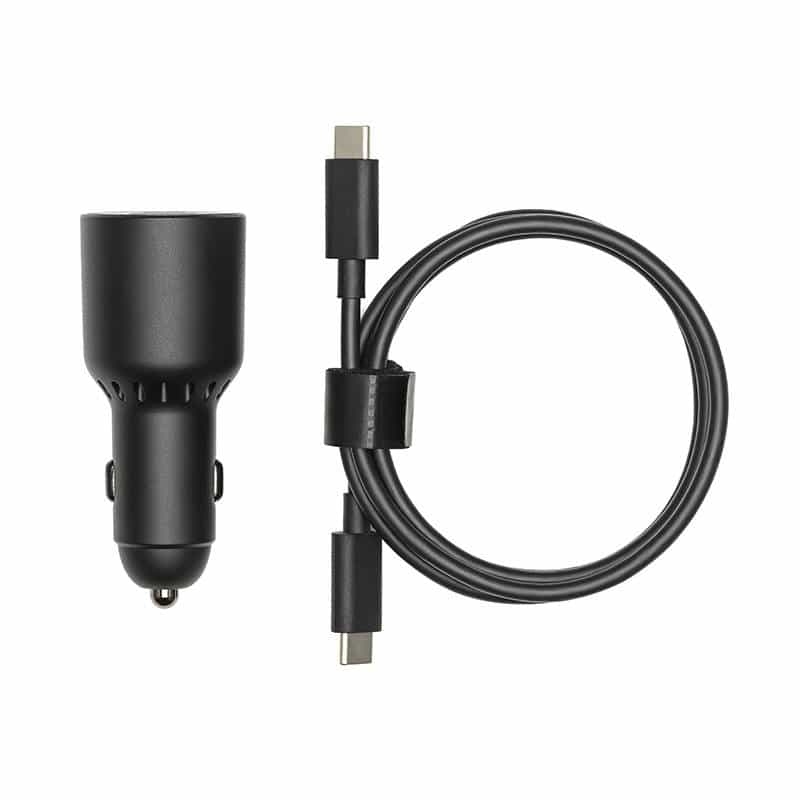
USB-C Power Delivery (PD) ChargersThe modern standard for high-speed charging of phones, tablets, and laptops. Wattages span from 20W smartphone adapters up to 65W–100W laptop-capable units operating on the USB-C PD 3.0 standard.
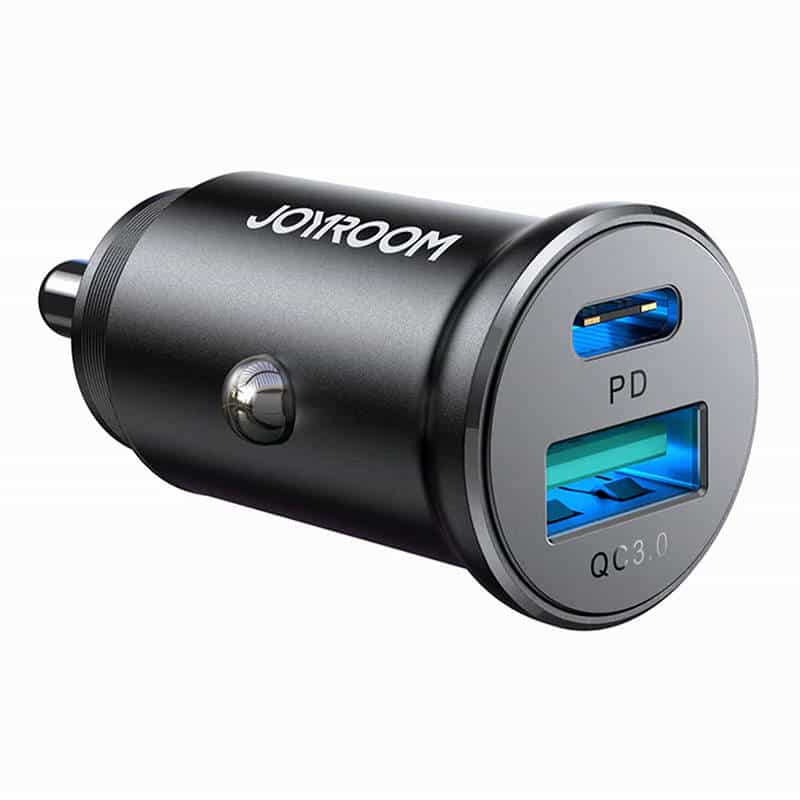
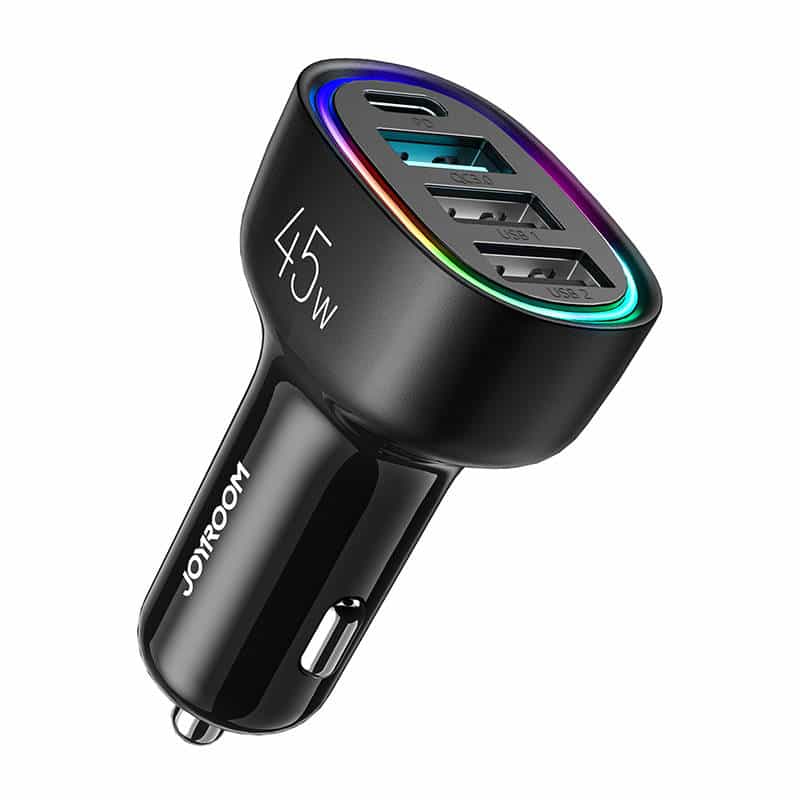
Dual USB-A and USB-C AdaptersUniversal chargers capable of powering legacy 5V USB-A accessories (dash cameras, GPS units) while simultaneously fast-charging modern mobile devices via USB-C.
Wireless Magnetic Mounts (MagSafe / Qi2)Vent or dashboard mounts with built-in magnetic alignment that secure smartphones firmly and deliver wireless charging speeds up to 15W.
12V and 24V Universal InputUnits accepting wide input voltage ranges (12V–24V DC), operating reliably in passenger cars (12V) as well as vans, trucks, and commercial fleet vehicles (24V).
Power Output & Charging Protocols
Dedicated Single-Port vs. Shared OutputCharger ratings often quote aggregate power (e.g. 60W), split across multiple sockets (30W + 30W). Laptop charging strictly requires a single USB-C port rated for at least 60W or 100W standalone output.
PPS (Programmable Power Supply)A dynamic voltage protocol required by Samsung Galaxy devices for Super Fast Charging (25W and 45W). Without PPS, output defaults to standard 15W charging.
GaN (Gallium Nitride) SemiconductorsEnables ultra-compact form factors for high-output (65W–100W) adapters that operate at significantly reduced heat levels during prolonged road trips.
Vehicle Electrical Safety & Battery Health
Integrated Circuit ProtectionPremium chargers integrate hardware safeguards against short-circuits, voltage transients, over-current, and battery overheating in connected electronics.
Parasitic Battery Drain PreventionIn vehicles where the 12V socket remains energized with ignition switched off, selecting low-standby adapters or unplugging during multi-day parking prevents car battery drain.
Cable Ampacity RequirementsPower delivery exceeding 60W requires an electronically marked (E-Marker) USB-C cable rated for 5A / 100W; standard 3A cables automatically cap charging rates to 60W.
Frequently Asked Questions
Can a 12V car cigarette lighter charger charge a laptop?
Yes, provided the car charger supports USB-C Power Delivery (PD) and outputs at least 45W–65W (for compact laptops) or 100W (for workstation laptops). The setup also requires an E-Marked 100W (5A) USB-C charging cable.
Is it safe to leave a car charger plugged in when the engine is off?
This depends on vehicle wiring. In most modern European cars, the 12V accessory socket powers down with the ignition or within minutes of locking doors. If your socket remains energized indefinitely, unplugging during extended parking is recommended to prevent car battery discharge.
Why does my phone charge slowly in the car despite having a high-wattage charger?
Common causes include: 1) using an older cable that does not negotiate fast charging protocols; 2) thermal throttling if the phone heats up under direct sun exposure or GPS navigation loads; 3) the charger dynamically splitting its total wattage across multiple plugged-in cords.
What is the difference between 12V and 24V car chargers?
12V represents standard electrical systems in passenger cars, whereas 24V is used in commercial trucks, buses, and heavy machinery. Always verify a 12V–24V wide-input rating if using chargers in heavy vehicles; 12V-only adapters will suffer immediate failure from overvoltage on a 24V bus.