Lighting
Outdoor & Camping Lanterns Buyer's Guide: High-CRI Emitters, CCT Tuning, Power Bank Output & IPX7 Sealing
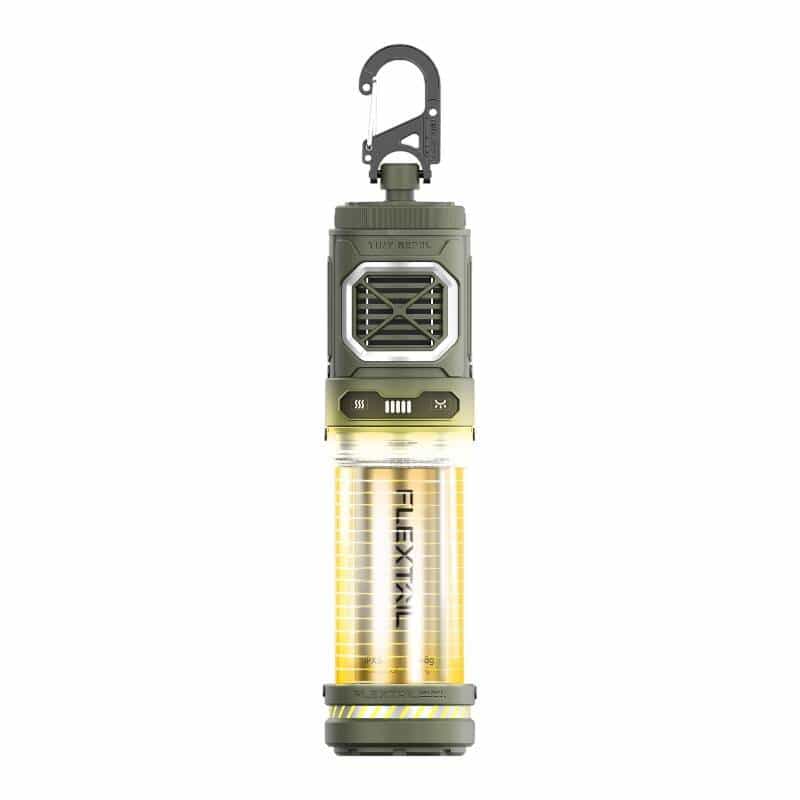
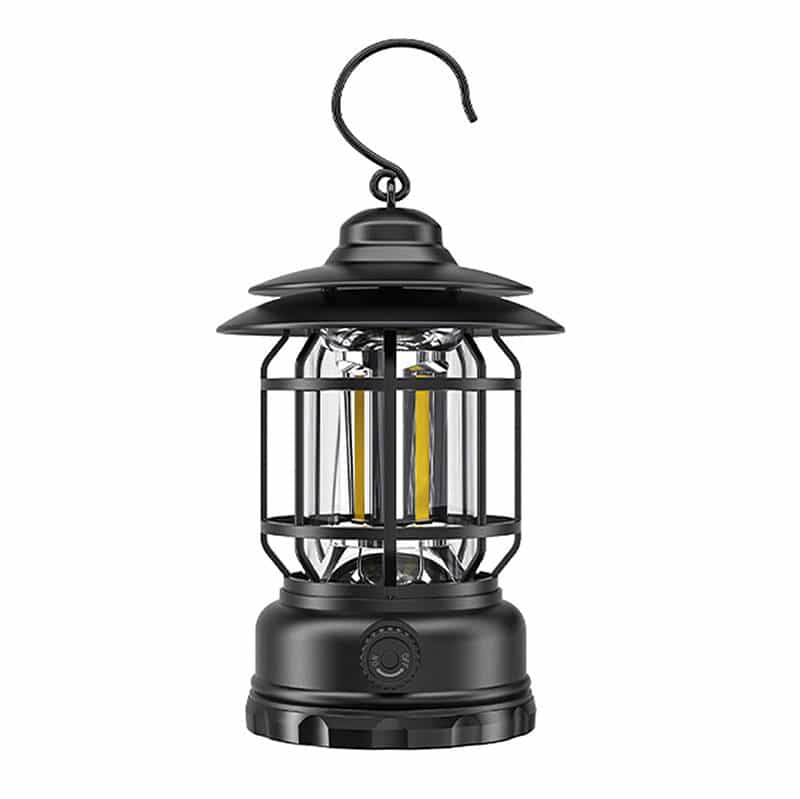
Modern outdoor camping lanterns provide dependable, glare-free 360-degree illumination for campsites, expedition tents, overland vehicles, and domestic blackout preparedness. This technical guide examines high Color Rendering Index LEDs (CRI >90), Correlated Color Temperature tuning (warm 1800K candle amber to neutral 4500K white), flicker-free constant-current drivers, USB-C reverse charging, and IPX7 waterproof durability.
Read Buyer's GuideShow less
LED Emitter Physics: High-CRI, Color Temperature (CCT) & Drivers
True Color Fidelity (High-CRI >90 Ra Emitters)High-CRI LED chips render natural hues with fidelity, rendering meal preparation, topographic map reading, and wilderness first aid comfortable without eye strain.
Dynamic CCT Tuning (1800K Candle to 6500K Daylight)Ultra-warm 1800K–2200K amber mimics campfire ambience and deters nocturnal insects; neutral 4500K white maximizes visual acuity for technical equipment servicing.
Flicker-Free Constant Current Regulation (Zero PWM)Advanced driver circuitry provides continuous, smooth lumen output across all battery voltage levels without invisible high-frequency pulse modulation that triggers ocular fatigue.
Sub-Lumen Moonlight Mode (0.5 to 2 Lumens)Preserves natural scotopic night vision for midnight tent navigation without waking companions, delivering extraordinary runtimes in excess of 100 to 150 hours.
Battery Chemistry and Reverse USB-C Power Bank Capabilities
High-Capacity 21700 and 18650 Li-ion CellsEnergy-dense lithium chemistry delivering 5,000 to 10,000 mAh provides multiday campsite illumination alongside low self-discharge in variable climates.
Bidirectional USB-C Power Delivery (18W to 30W Fast Output)Transforms the lantern into an emergency power bank to recharge smartphones, GPS locators, two-way radios, and headlamps directly in the field.
Hybrid Dual-Fuel ArchitectureSelect models accept standard disposable AA or AAA lithium/alkaline cells alongside rechargeable lithium packs, providing battery redundancy on remote expeditions.
Digital State-of-Charge (SoC) MeteringMulti-segment LED gauges or precision digital percentage readouts prevent unexpected field blackouts by continuously tracking remaining milliamp-hour reserves.
Mounting Geometry, Light Diffusion & Structural Durability
Rare-Earth Neodymium Magnetic Base & Carabiner HooksEnables rock-solid mounting to vehicle hoods, steel canopy frames, or hanging from tent ceiling gear loops without additional rigging.
360° Milky Polycarbonate Diffuser with Glare ShieldEngineered optical globes distribute light uniformly across living quarters, eliminating dazzling point-source hotspots and harsh direct shadows.
IPX6 / IPX7 Ingress Sealing & Positive BuoyancyO-ring sealed chassis withstands torrential downpours and temporary submersion down to 1 meter; buoyant designs float on water if accidentally dropped from a canoe.
Standard 1/4"-20 Tripod Thread InterfaceAllows mounting atop photographic tripods or trekking poles to elevate the light source overhead, casting broad downward perimeter lighting across the campsite.
Frequently Asked Questions About Camping Lanterns
Why are High-CRI and warm color temperatures (CCT) critical in a camping lantern?
Cheap cold-white LEDs (6500K with low CRI) distort colors, make food look unappealingly gray, and trigger eye fatigue. Warm emitters (1800K–2700K) with High-CRI (>90) mimic the relaxing spectrum of campfire or candlelight, safeguard the human circadian rhythm before sleep, and drastically reduce the attraction of nocturnal moths and mosquitoes around your campsite.
Can a camping lantern be used as an emergency power bank for smartphones?
Yes. Modern lanterns utilizing 21700 lithium-ion cells (5,000 to 10,000 mAh) feature bidirectional USB-C ports with Power Delivery reverse charging. They can replenish a standard smartphone 1 to 2 times, eliminating the weight penalty of carrying a separate standalone power bank on lightweight weekend trips.
What is the primary difference between a camping lantern and a headlamp?
A headlamp generates a directional spotlight beam that tracks your line of sight, designed for hiking, route-finding, and active movement in darkness. A camping lantern provides 360-degree diffuse ambient lighting that fills a tent, cabin, or cooking area evenly without blinding companions sitting across from you.
How do lithium camping lanterns perform in sub-zero winter temperatures?
Freezing temperatures increase internal battery resistance, reducing effective lithium-ion runtime by 30% to 40%. For winter expeditions, choose lanterns with low-temperature optimized lithium cells or dual-fuel systems capable of utilizing 1.5V Lithium AA batteries, which operate reliably down to -20°C.