Powerbanks
Power Banks & Portable Chargers Buyer Guide: USB-C PD 140W, IATA Airline Limits, and Battery Chemistry
High-output portable power banks provide critical off-grid power not just for smartphones, but for demanding creator laptops, drone battery charging hubs, and handheld gaming consoles. This buyer guide covers high-wattage bi-directional USB-C Power Delivery 3.1 (up to 140W), IATA 100Wh airline carry-on regulations, industrial 21700 battery cell lifespan, and real-time OLED telemetry displays.
Read Buyer's GuideShow less
Output Wattage, Fast Recharging, and Bi-Directional PD
USB-C Power Delivery 3.1 (100W to 140W Output)Charges high-consumption workstations (like the 16-inch MacBook Pro or Dell XPS) and rapid drone charging hubs at peak factory speeds over USB-C.
High-Speed Bi-Directional Input RechargingAccepts 65W to 100W input power, allowing a massive 20,000–25,000mAh battery pack to recharge from empty to 100% in roughly 60 to 90 minutes.
Independent Multi-Port Power ThrottlingDedicated DC buck-boost rails maintain a full 65W–100W delivery to your laptop even when a secondary smartphone plugs in simultaneously.
Pass-Through Power Delivery SupportAllows the power bank to recharge from a wall outlet while simultaneously routing power to connected peripheral gadgets as an on-the-go UPS buffer.
Capacity, Aviation Safety, and Cell Chemistry
IATA 100Wh Aviation Carry-On ThresholdBattery packs up to 100 watt-hours (roughly 27,000mAh at 3.7V) are universally permitted in airline cabin carry-on luggage without airline pre-approval.
Automotive-Grade 21700 Cylindrical Li-Ion CellsElectric-vehicle battery cells deliver higher energy density, lower internal electrical resistance, and cooler operating temperatures under high-wattage draw.
LiFePO4 Chemistry vs. Lightweight Li-PolymerLiFePO4 cells deliver exceptional 2,000–3,000+ cycle lifespans with zero thermal runaway risk, while Li-Polymer enables ultra-slim pocketable form factors.
Realistic Usable Capacity and Conversion LossesConverting internal 3.7V cell voltage up to 9V/15V/20V introduces natural circuit heat dissipation, yielding 75% to 85% actual usable energy output.
Smart Features, Telemetry Displays, and Enclosures
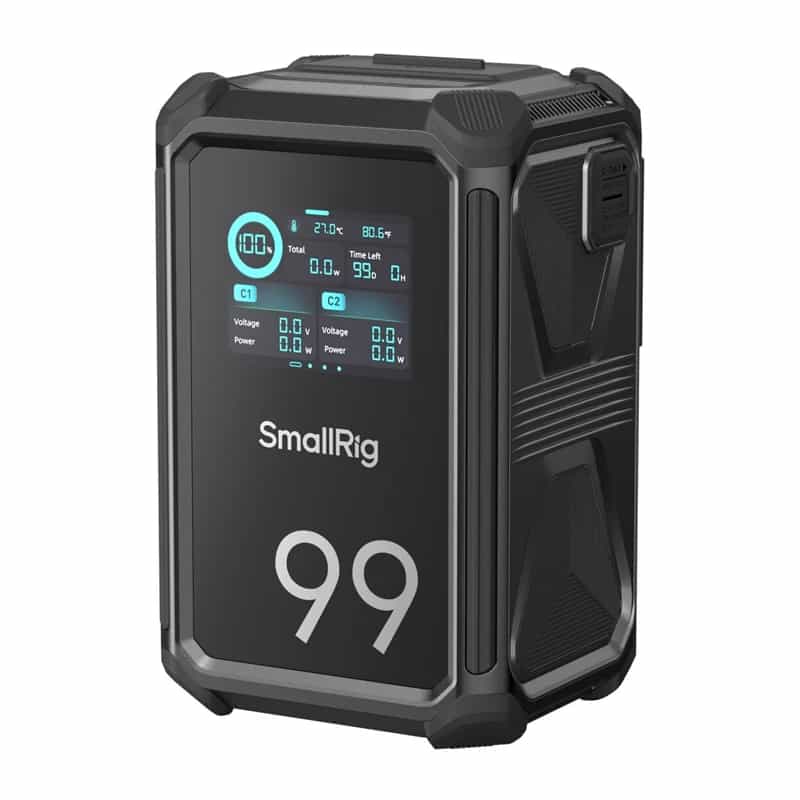
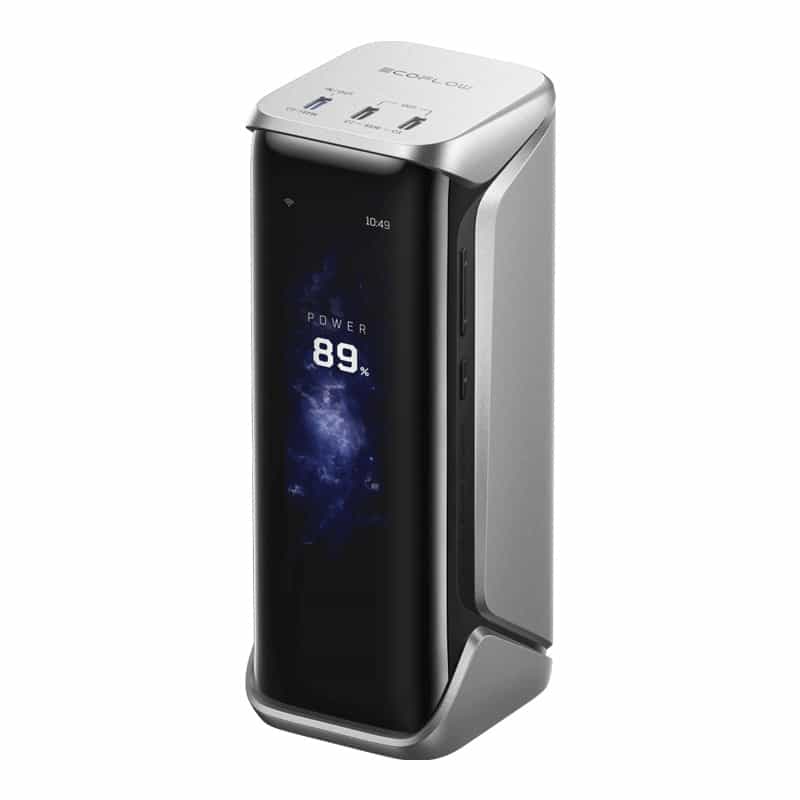
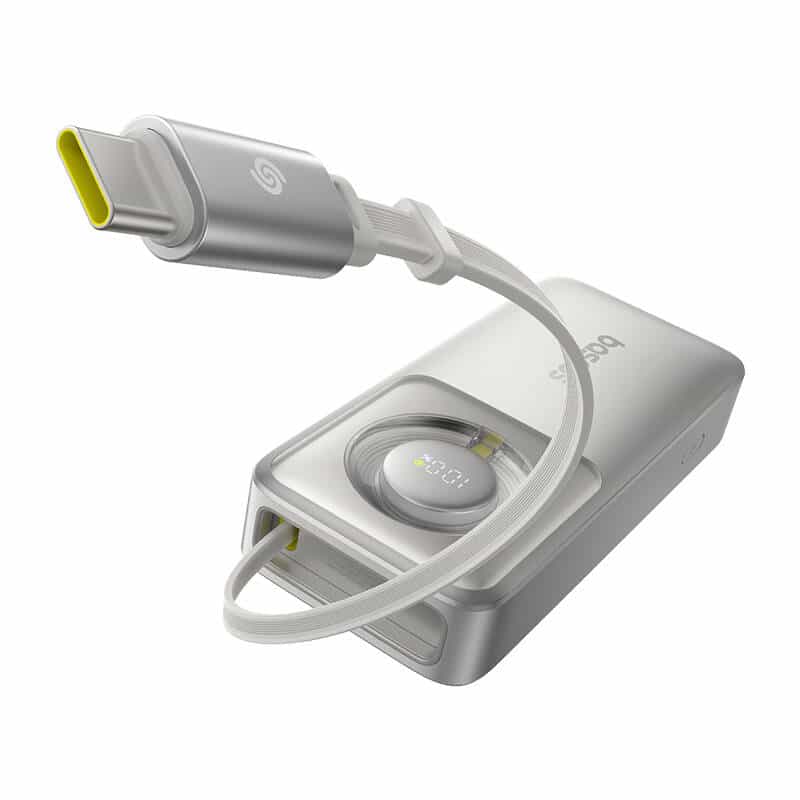
Full-Color TFT / OLED Telemetry DisplaysVisualizes real-time input/output wattage (W), rail voltage, current, battery percentage, and precision time-to-empty countdowns.
Low-Current Trickle Charging ModePowers low-draw micro-devices like wireless earbuds, smart rings, and stylus pens without tripping automatic low-load sleep shutdowns.
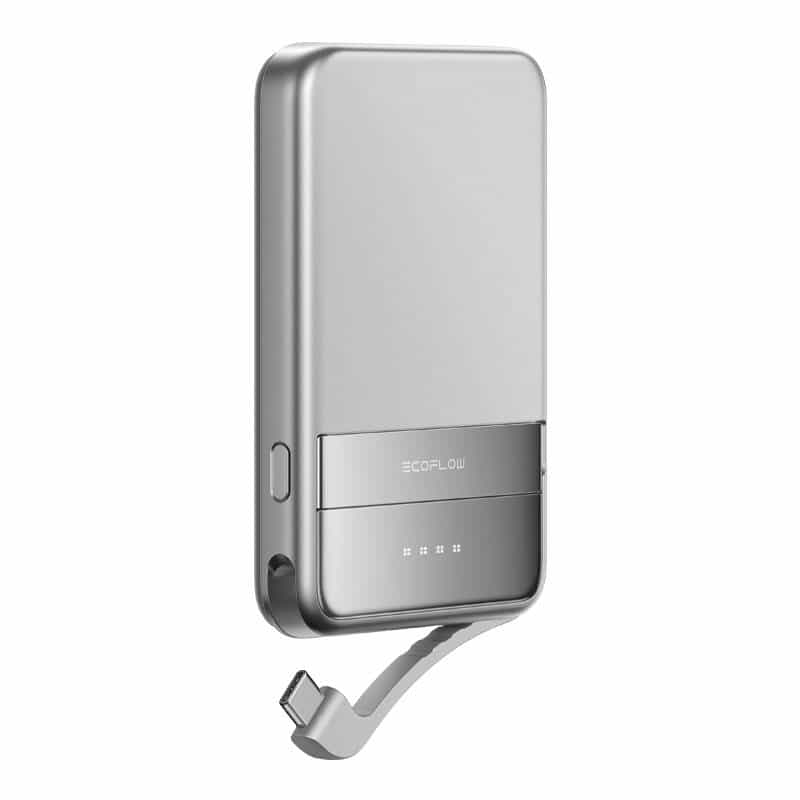
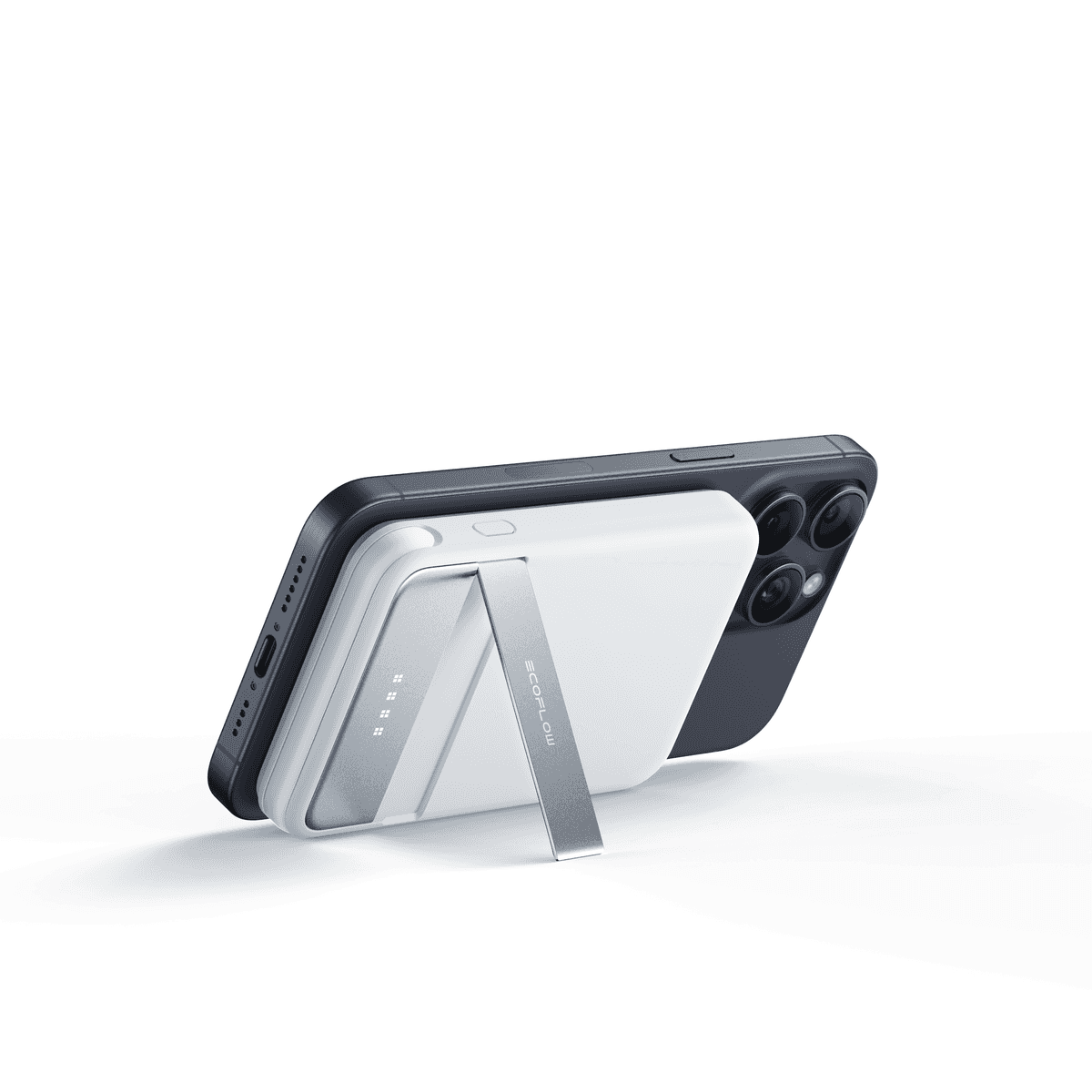
Magnetic MagSafe / Qi Wireless ChargingSnaps securely onto the back of compatible smartphones for cable-free emergency top-ups while walking or traveling.
Anodized Aluminum and Flame-Retardant PolycarbonateRugged structural housings absorb accidental drops and dissipate heat away from the internal battery stack during sustained 100W+ output.
Frequently Asked Questions about Portable Power Banks
Can I bring a 25,000mAh power bank on a commercial airline flight?
Yes, strictly in your carry-on luggage. International aviation security regulations (IATA/FAA) permit lithium-ion battery packs rated up to 100 Watt-hours (Wh) in passenger cabin baggage. A 25,000mAh power bank operating at a nominal 3.7V equals 92.5 Wh, placing it safely beneath the 100Wh ceiling. Power banks must never be placed in checked luggage due to cargo fire safety rules.
Why doesn't a 20,000mAh power bank recharge a 4,000mAh phone battery five times?
The nominal 20,000mAh rating is calculated at the battery cells' raw internal 3.7V voltage. Delivering fast charging requires boosting the voltage up to 5V, 9V, or 12V through an internal DC-DC converter, which incurs natural thermodynamic losses (typically 80–85% efficiency). The phone's own battery charging circuit also consumes a small portion of power as heat.
Can I safely charge a small smartphone with a powerful 100W laptop power bank?
Yes, 100% safely. USB Power Delivery is an intelligent two-way handshake standard. The receiving device (your smartphone) explicitly requests the voltage and amperage it can accept. If your phone only supports 20W, the power bank negotiates down and supplies exactly 20W.
Why is my high-capacity power bank taking so long to recharge from the wall?
To recharge a large 20,000mAh to 27,000mAh power bank rapidly, you must connect it to a high-wattage USB-C PD wall charger (45W, 65W, or 100W) using a compliant cable. Using an old 5W or 10W phone wall brick can cause recharging to take between 15 and 24 hours.