Other
Soldering Irons & Rework Stations Buyer Guide: PID Temperature Control, USB-C PD, and Lead-Free Soldering
Precision soldering is an indispensable core discipline for electronics repair, custom drone fabrication, and PCB prototyping. This engineering guide explains digital closed-loop PID microcontroller temperature stabilization, the capabilities of portable USB-C Power Delivery (65W–100W) smart soldering tools, lead-free versus eutectic alloy metallurgy, fluxes, and ESD workstation grounding.
Read Buyer's GuideShow less
Thermal Architectures and Temperature Control
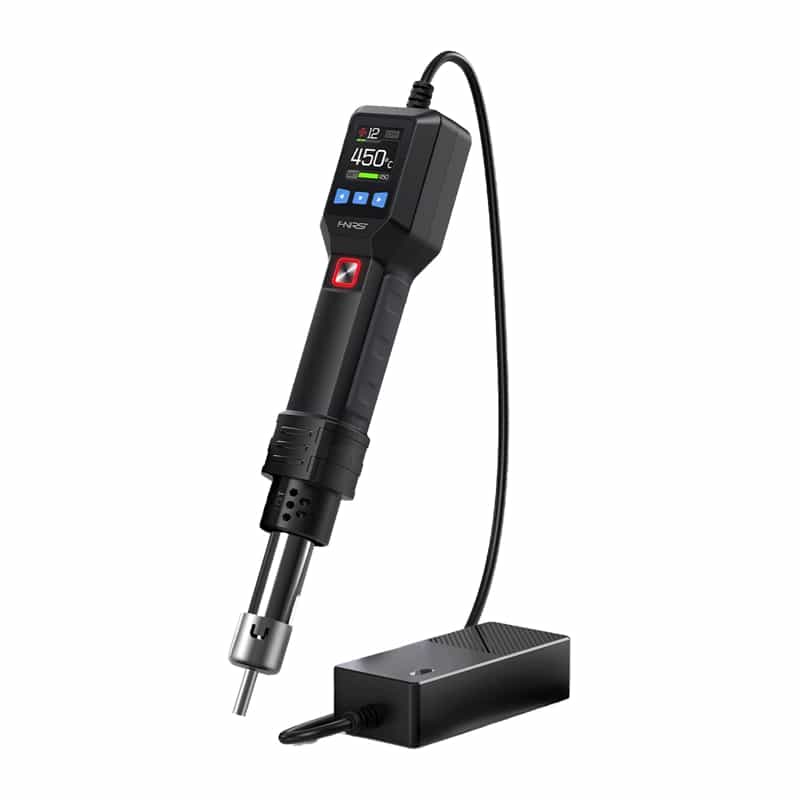
Closed-Loop Digital PID Microcontroller TuningInterrogates internal thermocouple sensors thousands of times per second, compensating for heat sinks on massive copper ground planes instantly.
Direct-Drive Cartridge Tips (T12 / C210 / C245)Heating element, thermocouple, and plated copper tip are fused into a monolithic cartridge, reaching 300°C operational heat in 6 to 8 seconds.
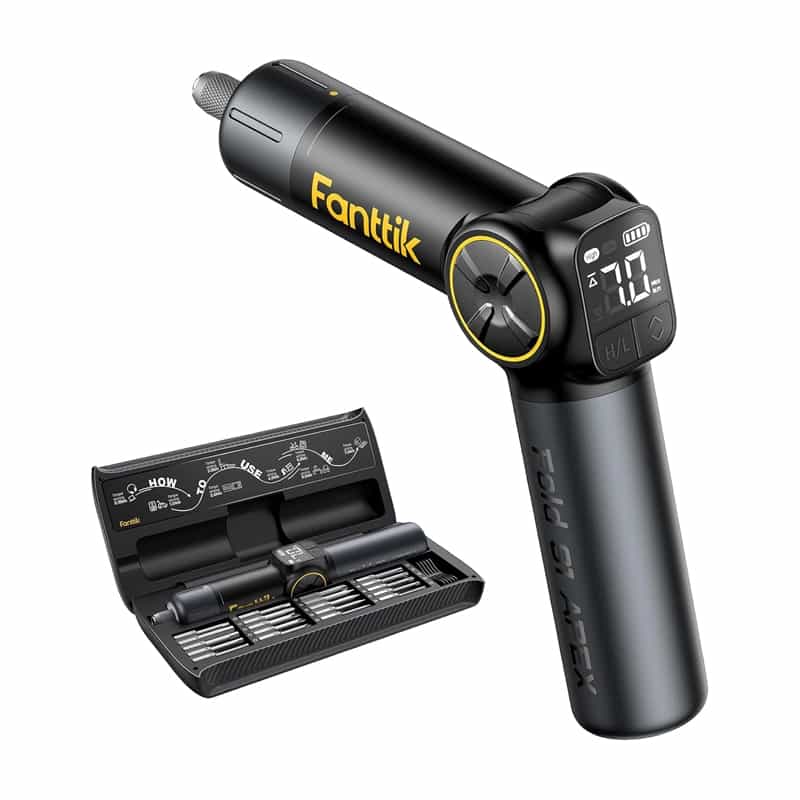
Portable High-Wattage USB-C Power Delivery SolderingOperates off compact GaN wall chargers or portable battery banks (65W–100W PD), matching heavy benchtop station performance in a pocketable pen.
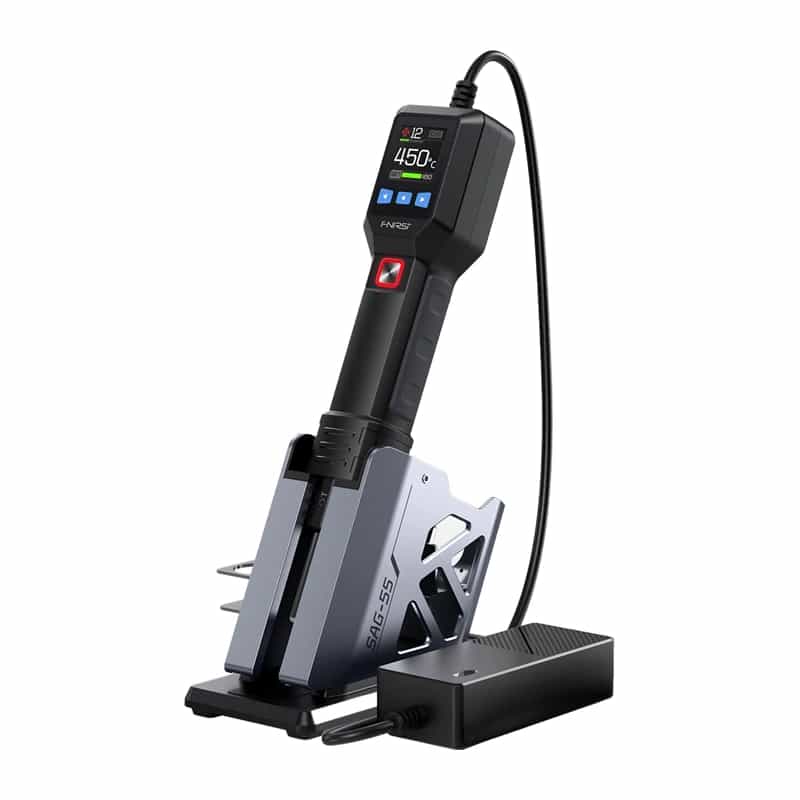
Accelerometer-Driven Sleep and Standby ModesDrops temperatures to an idle 150°C when placed in a rest cradle, preventing tip tinning burn-off and dramatically extending tip service life.
Soldering Alloys, Metallurgy, and Chemical Fluxes
RoHS Compliant Lead-Free Alloys (SAC305 / Sn99Cu)High-melting-point (217°C) eco-compliant alloys requiring high thermal recovery and active fluxes to prevent brittle joint fractures.
Classic Eutectic Tin-Lead Solder (Sn63Pb37)Melts cleanly at 183°C and transitions instantly from liquid to solid without pasty intermediate phases, virtually eliminating cold solder joints.
Gel Fluxes and No-Clean FormulationsDissolves surface metal oxides and promotes flawless surface wetting; non-corrosive residues require no aggressive solvent washing.
Dry Brass Wire Tip Cleaners vs. Wet SpongesBrass shavings wipe dross off without shocking the tip's temperature downward, preventing thermal micro-fracturing of the protective iron plating.
Workstation Rigging, ESD Defense, and Fume Extraction
Heat-Resistant Antistatic (ESD-Safe) Silicone MatsWithstands direct 500°C soldering tip contact, protecting workbenches while safely bleeding off static charges that destroy sensitive MOSFETs.
Active Carbon Fume Extraction SystemsTraps harmful rosin particulates and aerosolized vapors directly at the bench, safeguarding the technician's respiratory health.
Hot Air Rework Stations for SMD Package RepairPrecision velocity hot air torches enable non-contact desoldering and re-flowing of fine-pitch surface mount chips (SOIC, QFN, BGA).
Non-Magnetic Precision Tweezers and Solder PumpsSurgical-grade antimagnetic stainless steel tweezers manipulate micro-components, while spring-loaded vacuum pumps clear through-holes cleanly.
Frequently Asked Questions about Soldering Tools and Techniques
Why are modern cartridge tips (T12/C245) vastly superior to older sleeve-over-ceramic irons?
Traditional soldering irons slid a hollow copper sleeve over a separate ceramic heater rod with a sloppy air gap in between, resulting in sluggish warm-up times and severe tip cooling when touching a thick wire. Modern cartridge tips physically integrate the heating coil, thermocouple, and tip into one unified sealed unit, heating to 320°C in under 8 seconds and dynamically pumping extra current the millisecond tip temperature begins to dip.
What is the correct soldering temperature for electronics assembly?
For standard 63/37 tin-lead solder, set your iron between 300°C and 320°C. For modern lead-free solder (SAC305), calibrate your tool to 330°C–350°C. You should avoid pushing temperatures above 380°C under normal circumstances, as excessive heat instantly scorches chemical fluxes, oxidizes your plating, and risks lifting delicate copper traces off the fiberglass substrate.
Why is external flux mandatory if my solder wire already has a rosin core?
The tiny rosin core inside the wire vaporizes almost immediately upon touching the iron tip. Applying separate liquid or tacky gel flux to the pads creates a lasting oxygen-free shield that strips away microscopic metal oxides, allowing the molten solder to flow effortlessly into smooth, concave, mirror-finish fillets.
Can a compact USB-C soldering iron legitimately replace a bulky benchtop soldering station?
Yes, for 95% of electronics work! Modern USB-C Power Delivery smart soldering irons drawing 65W to 100W utilize the exact same internal cartridge heater engineering and closed-loop digital PID firmware found in flagship bench units. They comfortably tackle thick 12 AWG power wires on battery connectors while occupying no more pocket space than an ordinary pen.