Bicycle Accessories
Bike Accessories & Handlebar Mounts Buyer's Guide: GPS Computers, Vibration Dampening, Radars & Tools
Precision-engineered cycling accessories optimize athlete safety, telemetry tracking, and aerodynamic ergonomics across road, gravel, and mountain bike (MTB) disciplines. This technical buyer's guide breaks down multi-band GNSS bike computers, sensor communication topologies (ANT+ and BLE), smartphone camera optical stabilization (OIS) elastomeric vibration isolators, rear radar vehicle detection, and StVZO anti-glare illumination.
Read Buyer's GuideShow less
GPS Cycling Computers & Sensor Telemetry: ANT+, BLE & GNSS
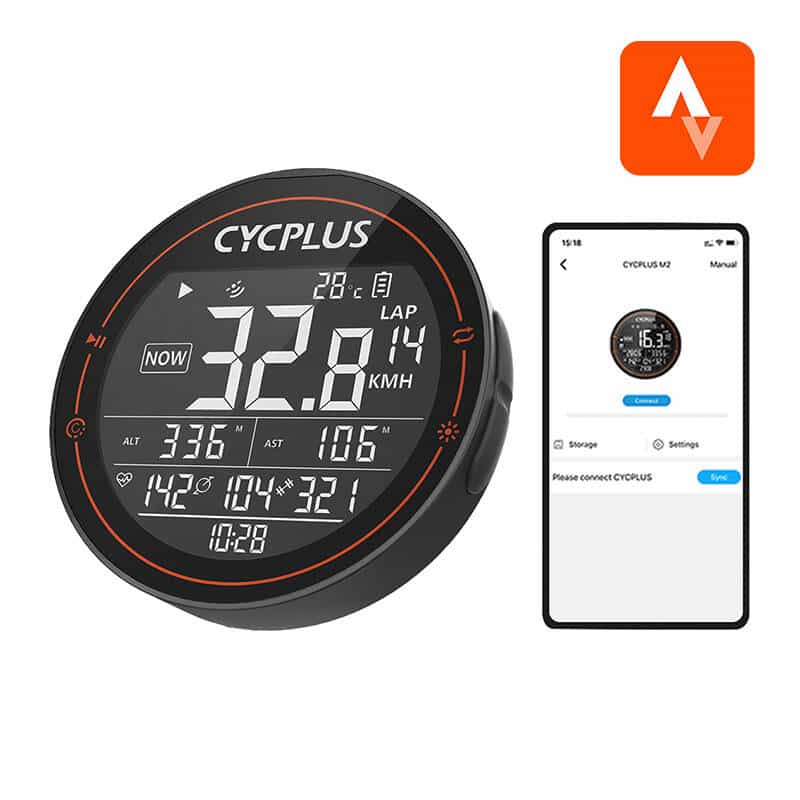
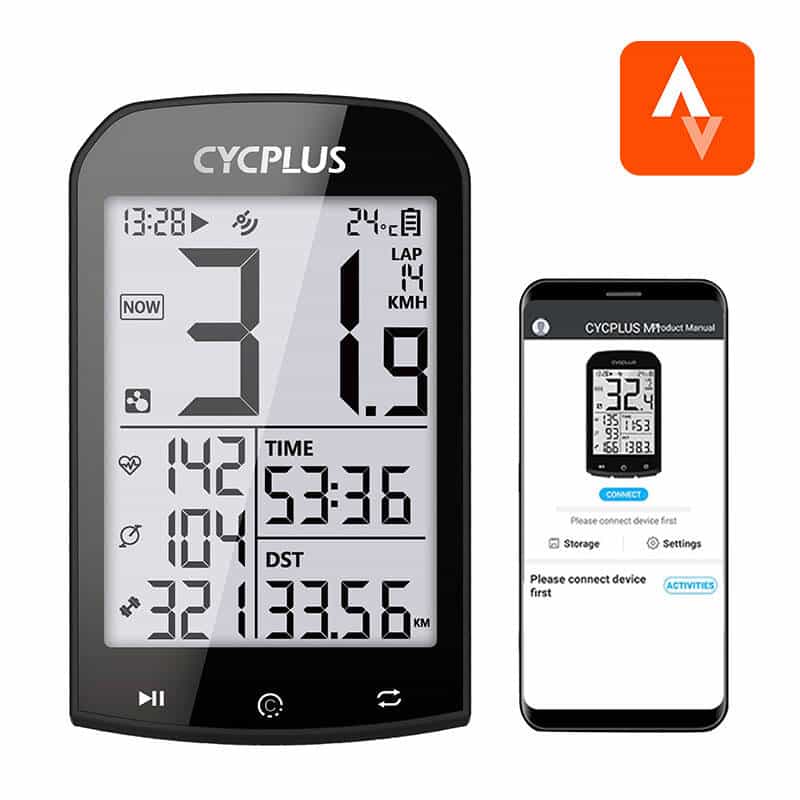
Multi-Band Dual-Frequency GNSS (GPS, Galileo & BeiDou)Calculates millimeter-precise coordinate positioning and instantaneous velocity even through dense rainforest canopies and steep alpine canyon walls.
Wireless Telemetry Protocols (ANT+ & Bluetooth Low Energy)Pairs simultaneously with dual-sided crank power meters, chest-strap heart rate monitors, cadence sensors, and wireless electronic derailleurs (Shimano Di2 / SRAM AXS).
Transflective Memory-in-Pixel (MIP) DisplaysHarvests ambient sunlight for glare-free readability without battery-draining backlights, yielding 20 to 40+ hours of continuous GPS navigation autonomy.
Dynamic Gradient Profiling & Segment Pacing (ClimbPro)Previews upcoming vertical ascents, visualizing remaining gradient percentages, climb distance, and elevation contours to meter muscular pacing.
Cockpit Mounting Architecture & Smartphone Vibration Isolation
Dual-Stage Mechanical Twist-Locking Mechanisms (Quad Lock)Patented cam-locking interfaces secure smartphones through violent cobblestone vibration and technical downhill drops without accidental release.
Precision Elastomeric Vibration Dampeners (Camera OIS Defense)Engineered silicone isolation grommets absorb high-frequency road resonance, safeguarding fragile gyroscope and optical image stabilization (OIS) magnets.
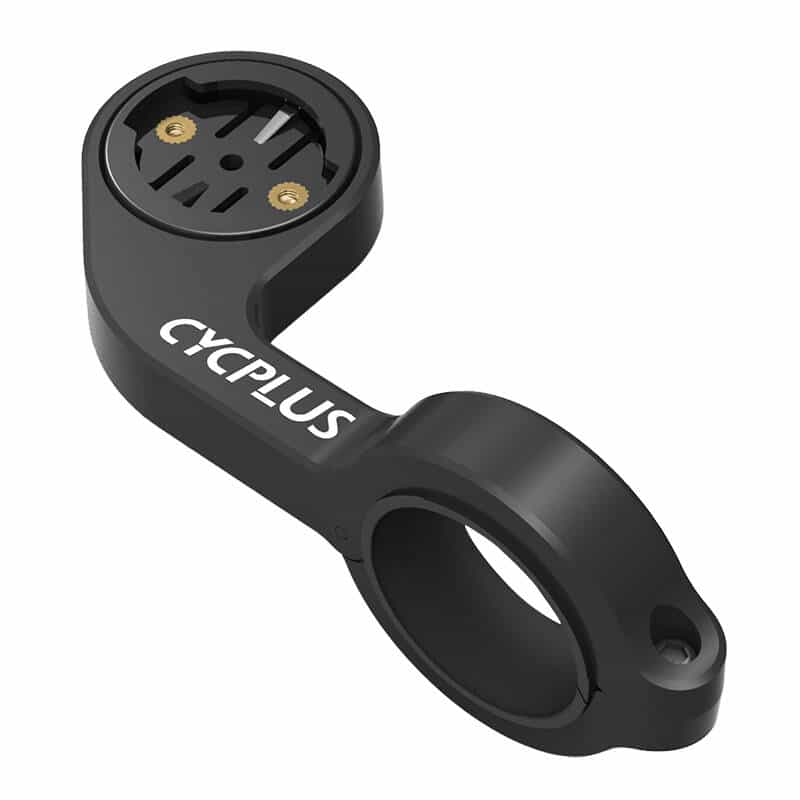
Aerodynamic CNC-Machined 6061-T6 Aluminum Out-Front MountsProjects computer screens forward of the handlebar clamp in direct sightlines, lowering aerodynamic drag while clearing cockpit tape for clean hand positions.
Integrated Underslung Accessory Mounts (GoPro & Headlights)Features secondary bottom mounting lugs to dock high-lumen headlights or action cameras directly beneath the head unit, eliminating clutter.
Safety Tech, Optical Cut-Off Lighting & Trailside Tools
Micro-Radar Rear Collision Detection Systems (Up to 140m)Integrated taillight radar modules track approaching motor vehicles from behind, streaming real-time distance and closing-speed visual alerts to the head unit.
StVZO-Certified Anti-Glare Beam Shaping OpticsEngineered internal reflectors direct lumens onto the tarmac below eye level, providing wide peripheral trail vision without dazzling oncoming cyclists.
Tubeless Puncture Insertion Needles & Bacon StripsCompact trailside insertion prongs plug jagged tire casing gashes within seconds, vulcanizing with liquid sealant without requiring wheel removal.
Rapid CO2 Inflator Cartridges & Regulated ChucksPressurized gas cannisters seat stubborn tubeless tire beads and inflate high-pressure road/gravel tires to 6 bar in under two seconds.
Frequently Asked Questions About Cycling Accessories
Why does a smartphone strictly require a vibration dampener on a bike handlebar?
Modern high-end smartphones (iPhone, Samsung Galaxy, Google Pixel) feature mechanical Optical Image Stabilization (OIS) in their primary cameras, where lenses float suspended by microscopic magnetic coils and springs. Constant high-frequency vibrations transmitted from road chatter, cobblestones, and gravel tracks fatigue these micro-suspensions, permanently destroying focus capability within weeks. An elastomeric vibration dampener absorbs up to 90% of damaging resonance before it reaches the phone chassis.
What is the concrete safety advantage of a cycling rearview radar (e.g., Garmin Varia)?
Standard bike taillights only make you visible to others, offering zero situational awareness to the rider. A rearview radar actively scans the road up to 140 meters behind your wheel, alerting your bike computer screen to the presence, distance, and relative closing speed of approaching traffic. This allows cyclists to preemptively take the lane or shift onto the shoulder on narrow country roads without dangerous, wobbly head checks.
Should you invest in a dedicated cycling computer or mount a smartphone on your handlebars?
While smartphones are fine for casual urban commuting, dedicated GPS bike computers are essential for serious training and touring. Dedicated head units feature transflective screens that improve under direct blinding sunlight without overheating, deliver 20 to 40 hours of battery life (smartphones deplete in 3–4 hours of continuous GPS/display usage), offer rugged IPX7 waterproof durability, and pair seamlessly with ANT+ power meters and radars.
What does the StVZO certification signify on bicycle headlights?
StVZO represents the rigorous German road traffic licensing standard for bicycle lighting. Unlike generic off-road bike lights that project a circular flashlight cone blinding oncoming cyclists and drivers, StVZO-certified lights feature precision reflectors with a sharp horizontal cut-off line (identical to car low beams). All emitted lumens are directed squarely onto the tarmac, ensuring superior pavement visibility without blinding other road users.