Metal Detectors
Metal Detector Buyer's Guide: VLF vs Multi-IQ Frequencies, Ground Balancing, Target ID & Waterproofing
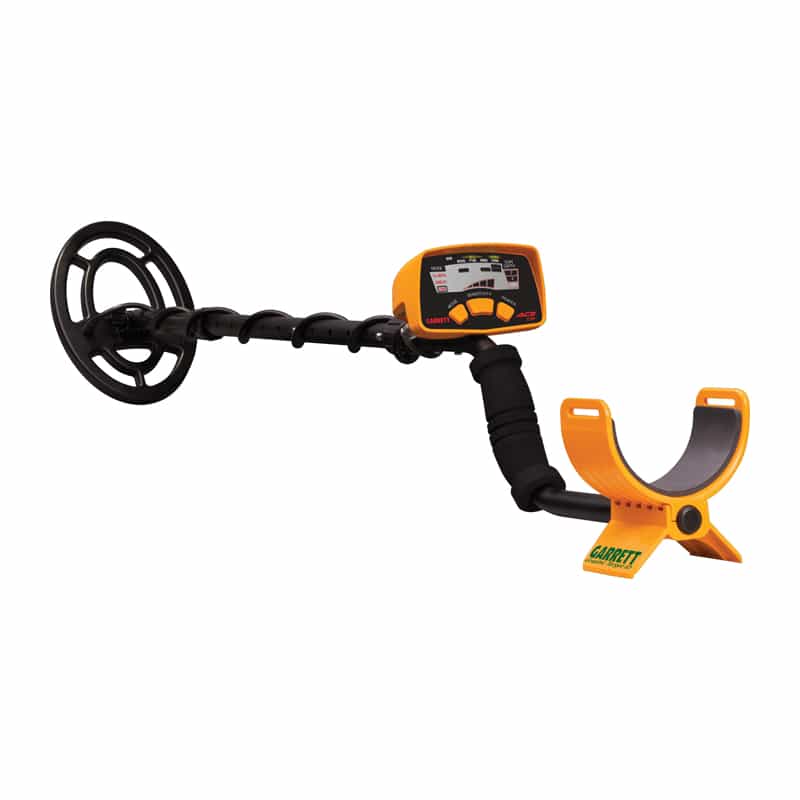
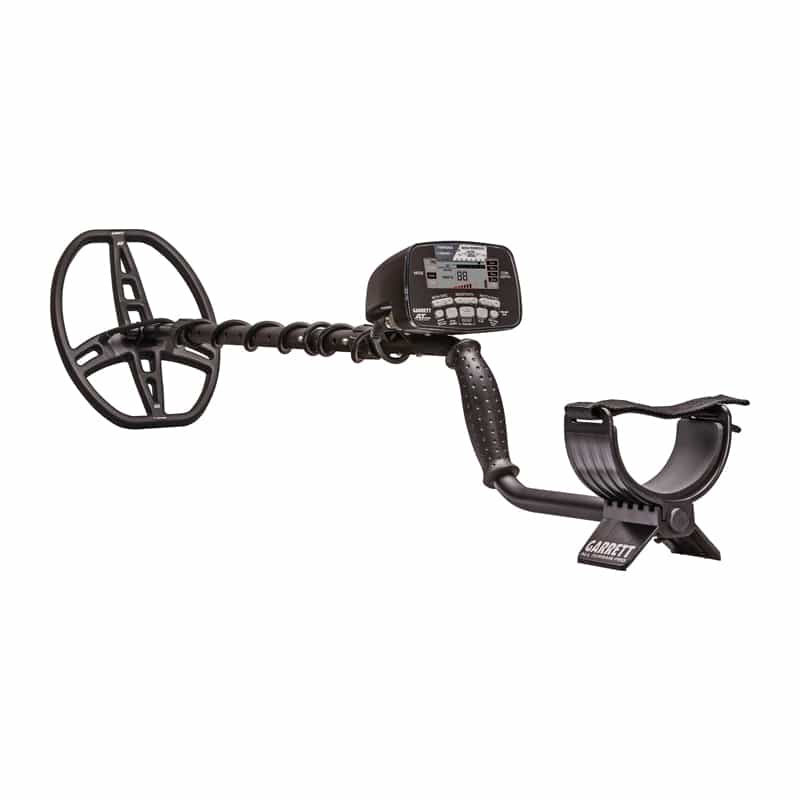
Metal detectors enable hobbyists, archaeologists, and security specialists to locate coins, historical relics, precious metals, and submerged treasures. This technical engineering guide breaks down Single-Frequency VLF versus Simultaneous Multi-Frequency (Multi-IQ / SMF) architectures, ground mineralization cancellation, Double-D coil geometry, and the crucial utility of handheld pinpointers in the field.
Read Buyer's GuideShow less
Operating Frequencies & Detection Architectures: VLF vs Multi-IQ vs PI
Single-Frequency VLF (Very Low Frequency 5–40 kHz)Low frequencies (5–8 kHz) achieve deep ground penetration on high-conductivity targets (large silver and copper coins), whereas high frequencies (20–40 kHz) excel at detecting tiny low-conductivity gold nuggets.
Simultaneous Multi-Frequency (Multi-IQ / SMF Technology)Transmits and processes a wide spectrum of frequencies concurrently, achieving peak depth on large deep caches while retaining razor-sharp sensitivity to tiny thin jewelry in a single sweep.
Pulse Induction (PI) for Extreme MineralizationFires high-powered short magnetic bursts into the substrate; lacks refined ferrous discrimination but punches deeper through conductive saltwater surf and heavy magnetic iron mineralization than VLF.
Signal Recovery Speed (Target Separation)Rapid processor recovery speeds allow the detector to emit an unmistakable clear non-ferrous tone on a coin lying mere centimeters away from a rusty iron nail in trash-strewn parks.
Ground Balancing, Discrimination & Target ID Scales
Ground Balance (Auto-Tracking vs Manual Calibration)Eliminates false signals caused by natural iron minerals and salt deposits in the soil, preventing phantom chirps and retaining maximum detection depth across varying terrains.
Digital Target ID Conductivity Scale (0 to 99)Measures phase angle and conductivity; ferrous metals register low numbers (0–15), aluminum foil and gold occupy mid ranges (20–50), and pure silver registers high conductivity (75–95).
Notch Discrimination and Custom Audio BinsAllows operators to notch out nuisance junk ranges (like pull tabs or foil) while assigning distinct pitch tones to valuable target zones, dramatically improving dig efficiency.
Iron Audio & Iron Volume ControlAttenuates the volume of iron grunt responses without completely muting them, allowing seasoned operators to monitor trash density without masking faint non-ferrous audio whispers.
Search Coil Geometry, IP68 Waterproofing & Accessories
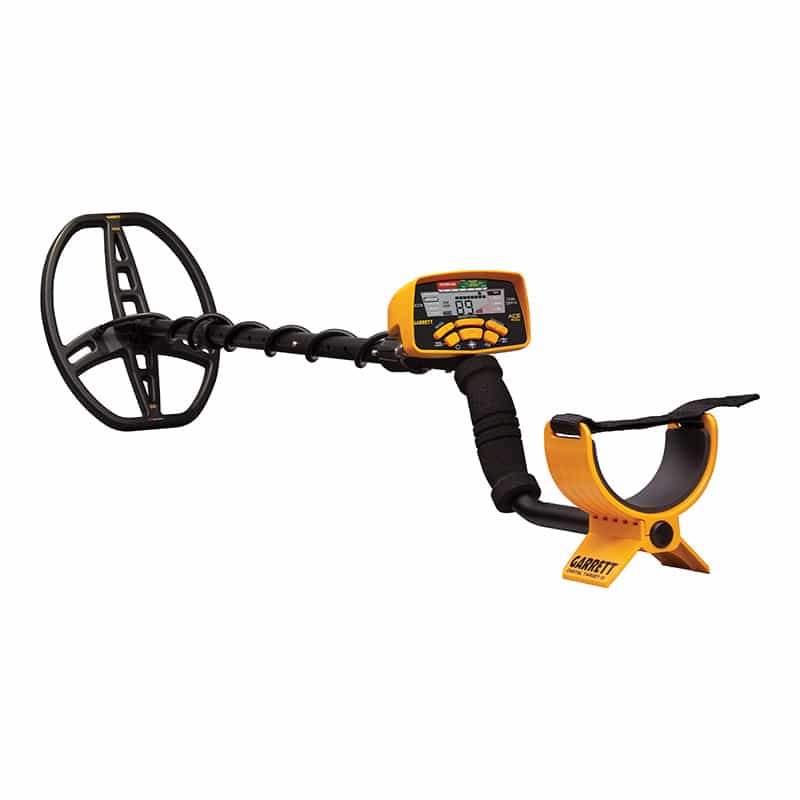
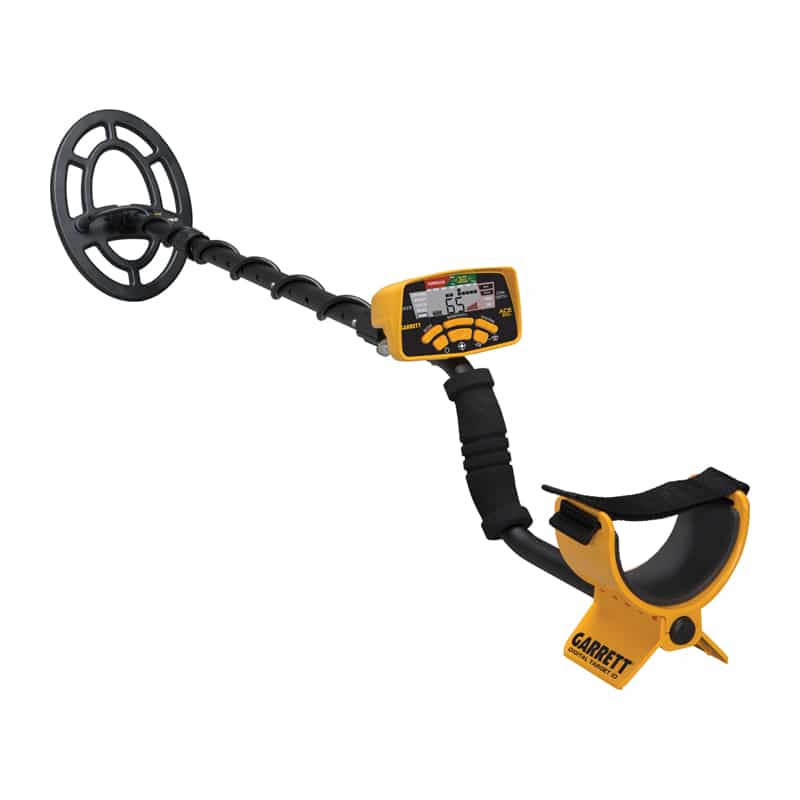
Double-D (DD) vs Concentric Search CoilsDD coils emit a blade-like linear magnetic beam that excels at target separation in mineralized ground; concentric coils generate a cone-shaped field suited for uniform pinpointing in clean sand.
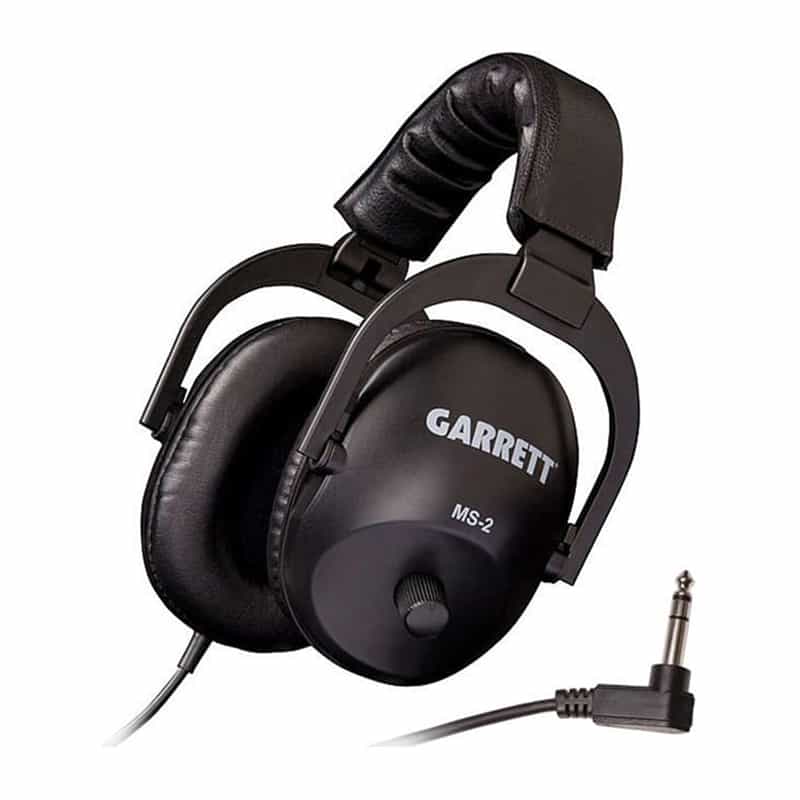
IP68 Submersible Waterproofing (Up to 3–5 Meters)Permits wading in surf, riverbeds, and torrential rain without risking control unit water ingress; submerged treasure hunting requires specialized waterproof bone-conduction headphones.
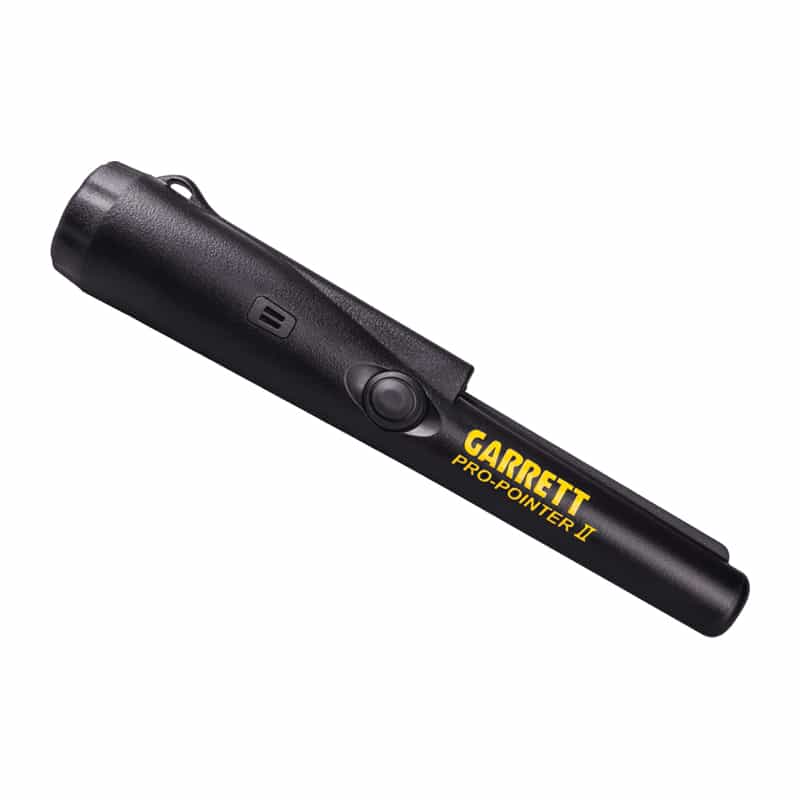
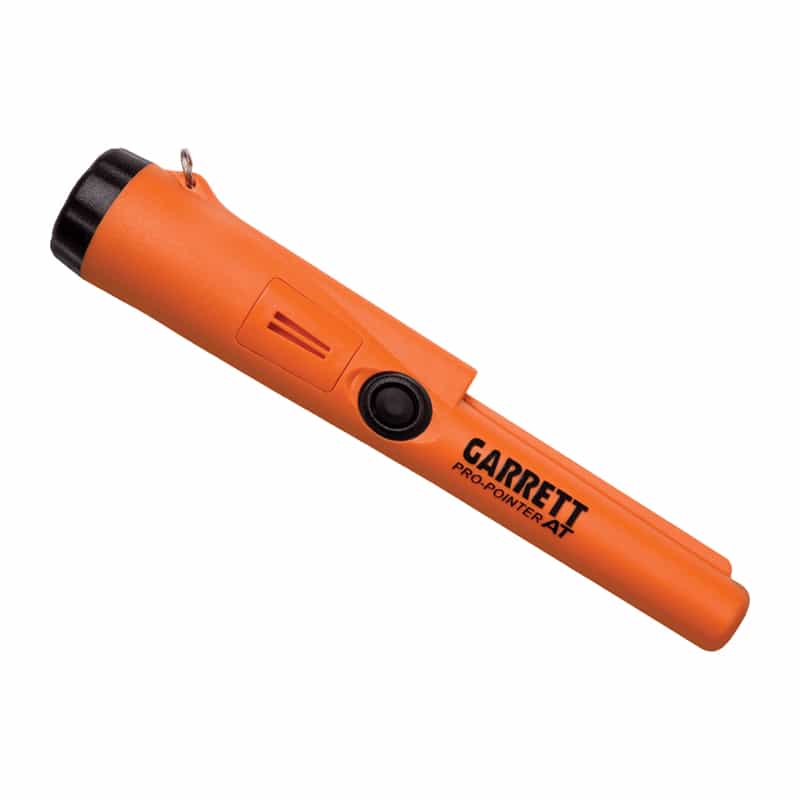
Handheld Pinpointers (360° Tip Detection)A rugged handheld probe localizes small coins inside muddy excavation plugs within seconds, preventing accidental spade gouging and slashing recovery time by 50%.
Carbon-Fiber Telescopic Shafts & Low-Latency AudioStiff carbon shafts minimize swing flex and forearm fatigue during grueling all-day hunts, while aptX Low Latency wireless protocols transmit audio tones without microsecond delay.
Frequently Asked Questions About Metal Detectors
What is the key advantage of Simultaneous Multi-Frequency (Multi-IQ) over Single-Frequency VLF?
A single-frequency detector operates on a static frequency (e.g., 14 kHz), forcing a trade-off between depth on large conductive objects and sensitivity to minute low-conductivity targets. Simultaneous Multi-Frequency technology transmits a broad spectrum (5 to 40 kHz) into the ground concurrently. This provides uncompromised depth, rock-solid Target IDs, and flawless stability in conductive environments like wet saltwater sand, where single-frequency units chatter incessantly.
Why is a Double-D (DD) coil preferred over a concentric coil in most terrains?
Concentric coils emit a cone-shaped magnetic field that degrades rapidly in mineralized or iron-heavy soil. Double-D coils feature two overlapping D-shaped windings that project a narrow, razor-sharp vertical magnetic wall. This linear footprint cuts through mineralized ground with less signal attenuation and isolates good targets situated closely alongside iron trash.
Is a handheld pinpointer necessary, or is the main detector coil enough?
While the main search coil gets you within a 15–20 cm radius, pinpointing a tiny coin, gold earring, or hammered relic in dark mud is painstaking. A handheld 360-degree pinpointer probes the hole or extracted dirt clod, buzzing loudly when within 1–2 cm of the metal. It speeds up recoveries exponentially and prevents scratching fragile historical coins with your digging tool.
What regulations must detectorists follow when treasure hunting in Estonia and the EU?
In Estonia, searching for items of cultural and historical value is governed by the Heritage Conservation Act. Operating a search device requires a formal permit from the National Heritage Board (Muinsuskaitseamet), obtained after completing mandatory training. Searching on registered archaeological monuments and their buffer zones is strictly illegal, and detecting on private land always mandates advance permission from the landowner.