Balcony Systems
Balcony Solar Power Station Buyer's Guide: Microinverters, 800W Regulations, Bifacial Panels & Battery Storage
Balcony solar power stations (Balkonkraftwerk) empower apartment tenants and homeowners to generate clean solar electricity and feed it directly into a standard household wall socket (Schuko). This engineering guide details 600W and 800W microinverter grid synchronization (VDE-AR-N 4105), dual-sided (Bifacial TOPCon) panel gains, railing mount aerodynamics, and LiFePO4 battery integration for maximum household self-consumption.
Read Buyer's GuideShow less
Microinverters and Grid Synchronization (600W / 800W)
EU Standards & 800W Feed-in ThresholdsCompliant microinverters adhere to VDE-AR-N 4105 and EN 50549-1 standards, electronically limiting AC output to 800W to guarantee safe plug-in operation without requiring electrical panel re-wiring.
Dual Independent MPPT TrackersTwo dedicated Maximum Power Point Tracking circuits isolate each solar panel, ensuring partial shading from railings or adjacent structures does not degrade the power production of the unshaded module.
Anti-Islanding Protection (<200ms Shutdown)In the event of a grid power failure or accidental plug disconnection, the inverter ceases power transmission within milliseconds, preventing electric shock hazards on exposed plug pins.
Wireless Telemetry via Wi-Fi & BluetoothIntegrated communication chips stream real-time generation metrics, wattage, and voltage data directly to smartphone apps or local smart home platforms (Home Assistant via MQTT).
Photovoltaic Panel Technologies and Balcony Mounting
Bifacial N-Type TOPCon Glass-Glass PanelsDual-surface cells capture direct irradiance on the front and albedo reflection from balcony walls and floors on the rear, generating 10% to 25% higher yield in confined spaces.
Ultra-Lightweight Flexible vs Rigid Aluminum FrameSub-4 kg flexible panels mount easily on delicate balcony grilles without structural strain, while rigid 400W–450W glass modules deliver maximum efficiency and a 25–30 year lifespan.
Adjustable Tilt-Angle Brackets (0° to 30°)Stainless steel and marine-grade aluminum mounting hooks allow seasonal tilt adjustments, capturing maximum solar irradiance when the sun sits low during spring and autumn.
Wind Load Certification and Safety TethersAt high floor elevations, mounts must withstand wind gusts up to 30 m/s; secondary stainless steel safety wire tethers ensure panels cannot detach under extreme storm conditions.
LiFePO4 Storage Batteries and Smart Energy Management
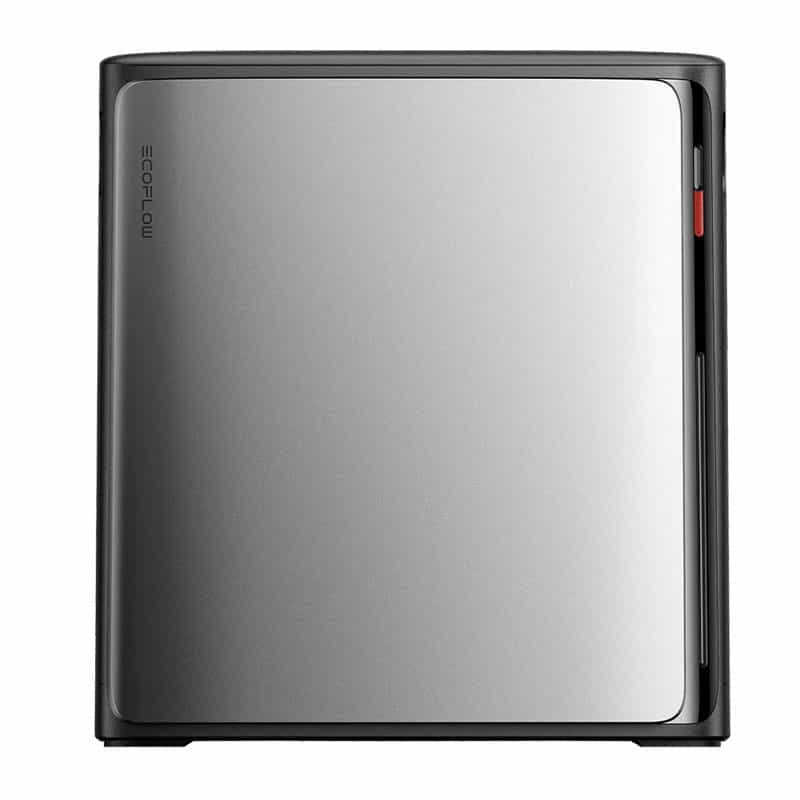
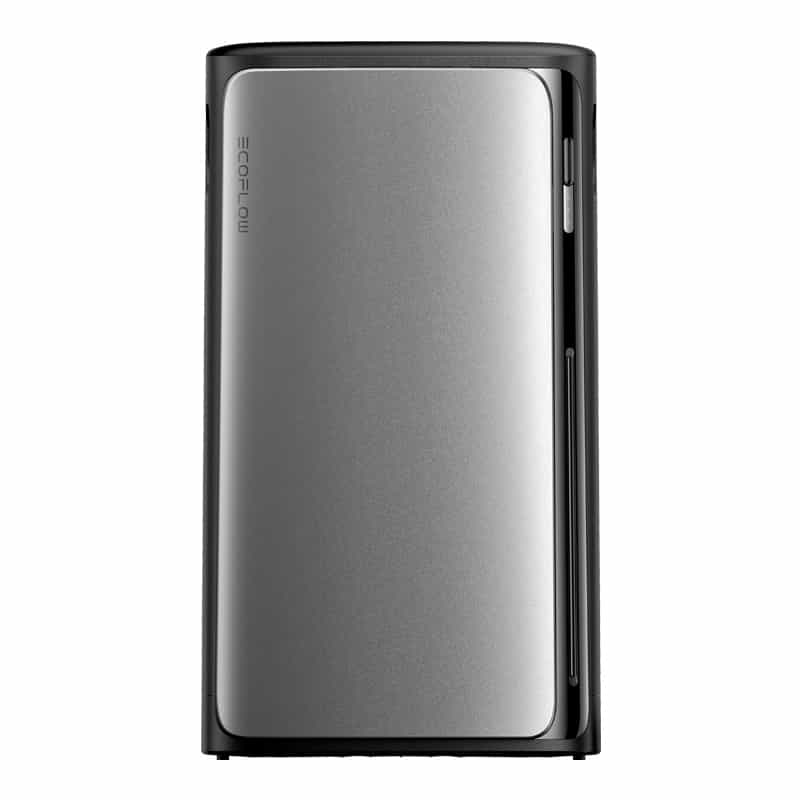
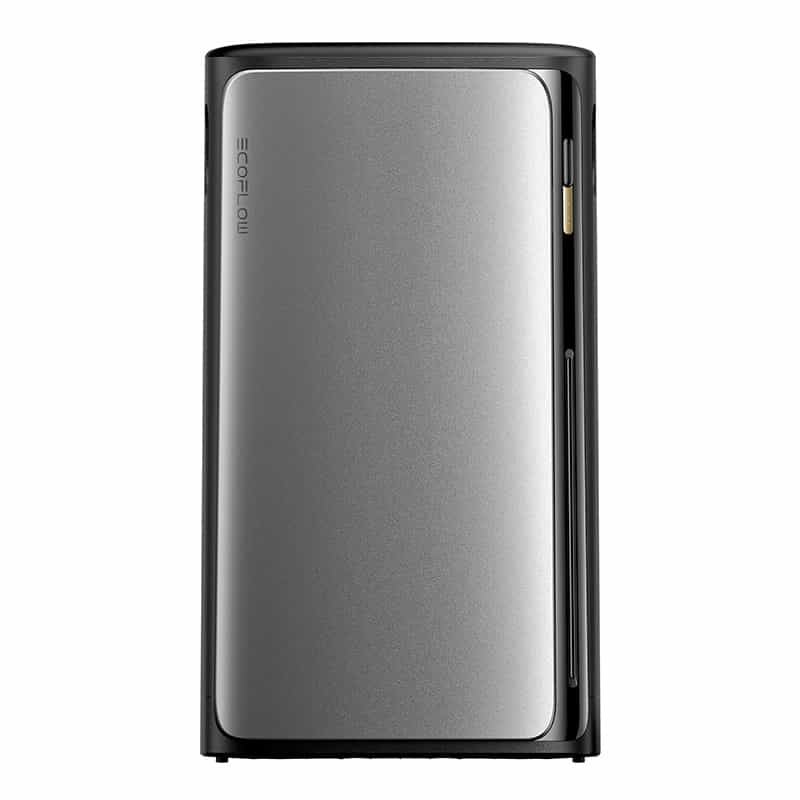
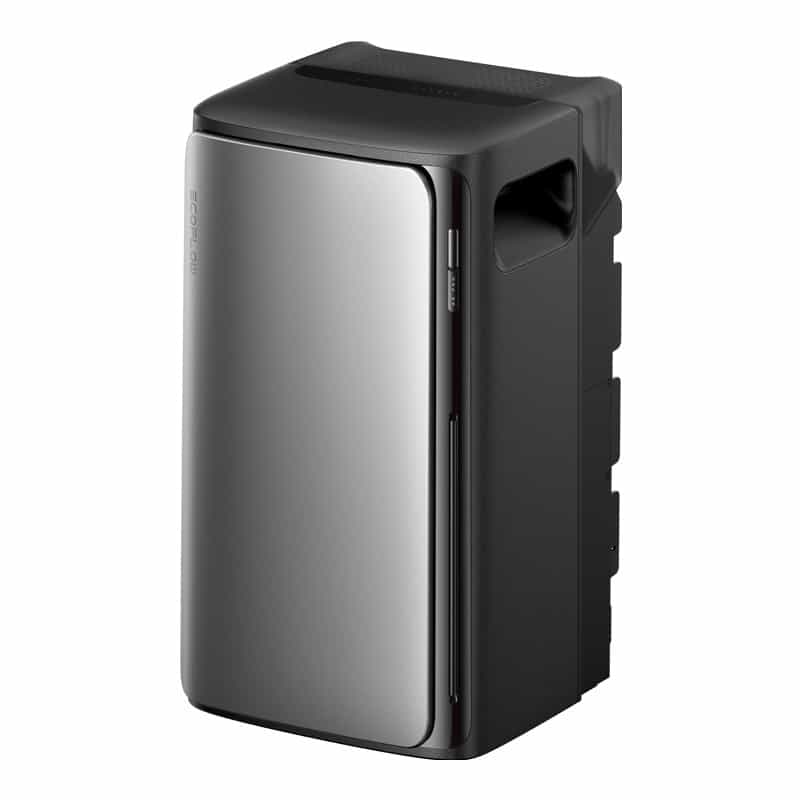
Modular Balcony Battery Packs (1 kWh to 2 kWh)Lithium Iron Phosphate (LiFePO4) chemistry delivers over 6,000 charge cycles; excess midday solar production is stored and discharged during evening high-demand hours.
Smart Zero-Export Control (CT Clamps & Shelly Integration)Current transformers installed in the main breaker panel measure real-time apartment consumption, modulating battery discharge so zero generated power leaks uncompensated into the grid.
Automated Sub-Zero Heating ElementsFor Northern European winters, integrated PTC heating elements warm battery cells before initiating charging below 0°C, preventing lithium plating and cell damage.
Off-Grid Emergency Power Supply (EPS Outlet)Dedicated backup AC outlets on modern balcony battery hubs keep vital appliances like refrigerators, Wi-Fi routers, and medical equipment running during municipal power outages.
Frequently Asked Questions About Balcony Solar Power Stations
Does an 800W balcony solar kit require an electrician or utility company permit?
Under modern EU standards and regional Baltic/Nordic regulations, certified plug-in systems up to 800W AC output qualify for simplified micro-generation. They are designed for user self-installation via standard Schuko sockets without breaker box rewiring. However, utility notification is typically required for bidirectional metering, and apartment dwellers must secure building association (housing cooperative) approval for exterior railing mounting.
How much electricity can an 800W balcony system generate annually?
With an unshaded south-facing orientation and a 25–30° tilt angle, an 800W setup (two 420W–450W modules) generates approximately 600 to 850 kWh per year in Baltic and Nordic latitudes. This output effectively offsets the daylight baseload consumption of a typical apartment, including refrigerators, routers, standby appliances, and ventilation.
Why are bifacial (double-sided) solar panels superior for balcony setups?
Unlike roof installations where the backside is pressed against tiles, balcony-mounted panels have open space behind them. Bifacial glass-glass panels absorb light reflected from light-colored balcony floors and external walls, delivering 10% to 25% more energy in diffuse daylight and cloudy conditions compared to standard monofacial panels.
Is it worth adding a LiFePO4 battery to a balcony solar station right away?
If residents are away during peak daylight hours and apartment baseload is low (100–150W), unbuffered solar production flows into the public grid for little to no financial return. A 1–2 kWh LiFePO4 battery captures this midday surplus and feeds it back during evening and nighttime hours, boosting self-consumption from roughly 40% to over 85–90%.