Phones & Smart Devices
Smartphones Buyer's Guide: LTPO AMOLED Displays, 1-Inch Camera Sensors, IP68/IP69K Durability & Silicon-Carbon Batteries
Modern flagship and ruggedized smartphones merge high-end computational imaging, local on-device machine learning neural networks, and rugged industrial chassis construction. This technical buyer's guide details adaptive LTPO AMOLED variable refresh rates (1Hz–120Hz), 1-inch optical image sensors and folded periscope telephotos, IP68/IP69K and MIL-STD-810H physical drop defenses, and energy-dense Silicon-Carbon (Si/C) fast-charging chemistry.
Read Buyer's GuideShow less
Display Architectures, 3nm Silicon & On-Device Neural AI
LTPO AMOLED Variable Refresh Displays (1Hz to 120Hz Dynamic)Dials refresh rate down to a static 1Hz for reading and Always-On lock screens while ramping to 120Hz for gaming, slashing energy consumption without sacrificing fluid touch responsiveness.
Flagship 3nm and 4nm System-on-Chip (Snapdragon 8 Gen & Apple A-Series)Delivers desktop-class hardware-accelerated Ray Tracing graphics pipelines and efficient multi-core processing with optimized thermal throttling curves.
Dedicated Neural Processing Units (NPU) for Edge AIExecutes large language models, live conversational translation, and generative photo manipulation locally on-device without leaking private user data to cloud servers.
High-Frequency Pulse-Width Modulation (PWM Dimming >2,160Hz)Eliminates imperceptible low-frequency display flicker at minimal brightness settings, protecting eyes from retinal fatigue during sustained late-night document review.
Imaging Arrays: 1-Inch Sensor Modules & Periscope Optics
Massive 1-Inch Primary Image Sensors (Sony LYT-900 / IMX989)Vast physical surface area captures abundant photon streams, rendering organic shallow depth-of-field (bokeh), pristine low-light detail, and wide uncompressed dynamic range.
Folded Periscope Telephoto Prisms (3x to 5x Optical Reach)Reflects optical paths 90 degrees internally through telephoto lens groups, achieving true optical magnification without digital interpolation artifacts in slim chassis.
Mechanical Optical Image Stabilization (OIS & Sensor-Shift)Counterbalances physical hand tremors via voice coil micro-actuators, unlocking sharp handheld shutter speeds in twilight and stable 4K/8K video tracking.
14-Bit Computational RAW Sensor ReadoutPreserves uncompressed sensor telemetry for technical grading in professional suites like Adobe Lightroom Mobile, giving creators complete latitude over highlights and shadows.
Environmental Hardening, IP68/IP69K, Si/C Batteries & GaN Charging
IP68 / IP69K Ingress & MIL-STD-810H Drop StandardsWithstands total submersion in 2 meters of water, resists close-range high-pressure hot steam jets, and endures direct 1.8-meter drops onto solid concrete surfaces.
Silicon-Carbon (Si/C) High-Density Anode Chemistry (5,400–6,500 mAh)Next-gen silicon-infused negative electrodes achieve unprecedented volumetric energy density, packaging multiday battery endurance into ultra-sleek sub-8.5mm envelopes.
Ultra-Fast GaN Charging Protocols (65W to 120W Wired Delivery)Replenishes battery cells from empty to 50% in roughly 10–15 minutes and 100% in under 30 minutes, backed by multi-point thermal monitoring algorithms.
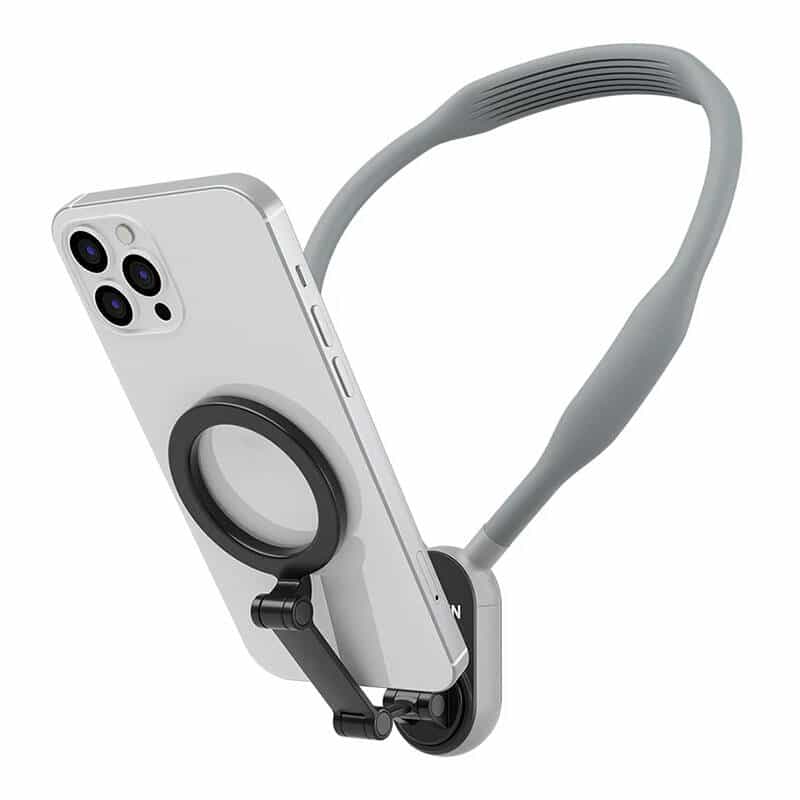
Magnetic Wireless Inductive Alignment (Qi2 & MagSafe Standards)Integrated magnetic positioning arrays ensure precise coil alignment, delivering reliable 15W wireless power transfer and modular docking with vehicular mounts.
Frequently Asked Questions About Modern Smartphones
Why is a large 1-inch camera sensor superior to a sensor boasting 200 megapixels?
Megapixel counts merely represent the grid resolution of a photo, whereas actual image quality is governed by physical sensor area and light-gathering capability. When 200 million microscopic pixels are crammed onto a tiny sensor, each individual photosite captures very few photons, resulting in noisy, grainy low-light shots and heavy artificial noise reduction. A 1-inch sensor is massive by smartphone standards: it harvests immense light volumes, creates authentic optical background separation (bokeh) without software simulation, and yields pristine low-light clarity.
What is the difference between a mainstream flagship and a ruggedized smartphone?
Mainstream flagships prioritize sleek glass-sandwich ergonomics, requiring external cases and remaining susceptible to catastrophic frame bends or shattered screens on pavement impacts. Rugged industrial phones meet IP68/IP69K and MIL-STD-810H standards: they incorporate shock-absorbing rubberized corner bumpers, reinforced Gorilla Glass, withstand 1.8m concrete drops, operate down to -30°C, and can be sanitized with high-pressure hot water washers on worksites.
What is the concrete advantage of a Silicon-Carbon (Si/C) battery?
Traditional lithium-ion batteries utilize graphite anodes, which have reached their physical theoretical limits for energy density. Silicon-carbon anodes allow silicon nanostructures to hold significantly more lithium ions per cubic millimeter. This enables manufacturers to fit 5,500 to 6,500 mAh battery capacities into phone bodies that remain as thin and lightweight as older 4,500 mAh models, unlocking genuine two-day battery life.
Does 100W+ fast charging degrade smartphone battery health prematurely?
Modern 100W+ fast-charging architectures split the internal battery into two series-connected cells (so each cell receives a moderate 50W charge rate) and integrate up to a dozen thermal sensors along the motherboard and charging port. Full wattage is delivered strictly during the depleted phase (up to 70%–80%) before tapering, ensuring cells endure 1,200 to 1,600 full charging cycles (over 3–4 years of daily charging) while retaining 80%+ of original capacity.