3D Printers
3D Printers Buyer Guide: High-Speed CoreXY, FDM vs. Resin Technology, and Engineering Filaments
3D printing hardware enables engineers, designers, and hobbyists to manufacture functional prototypes, replacement parts, enclosures, and high-detail miniatures directly from 3D CAD models. This buyer guide explains high-speed CoreXY mechanics versus Cartesian bed-slingers, ultra-high-resolution 8K/14K resin printing (MSLA), high-temperature 300°C all-metal hotends for engineering plastics, and accelerometer-driven Input Shaping vibration compensation.
Read Buyer's GuideShow less
Printing Technologies and Kinematics: FDM vs. Resin
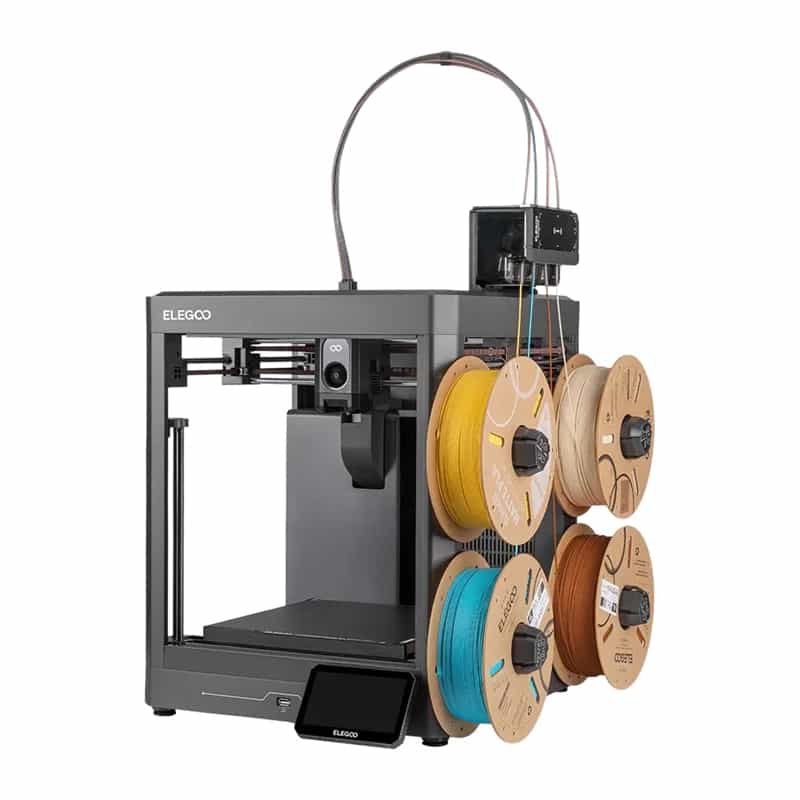
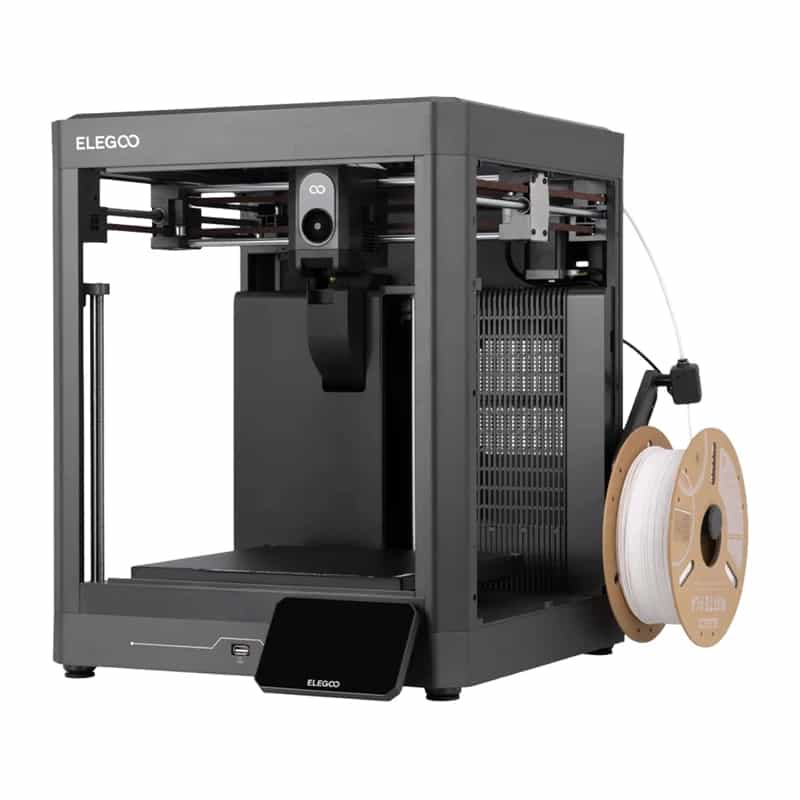
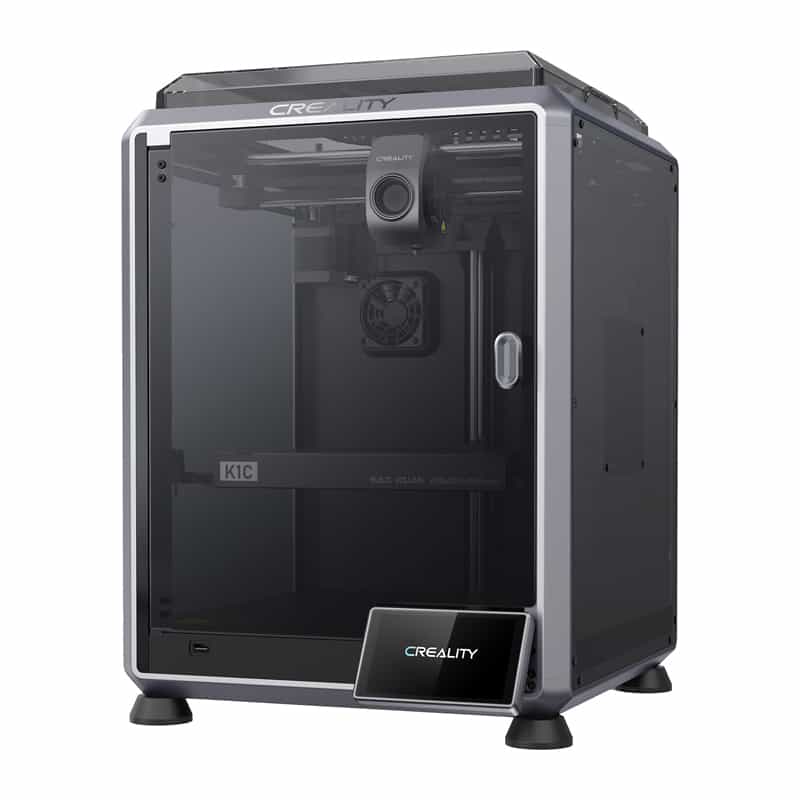
CoreXY Kinematics Architecture (Up to 500–600 mm/s)Two synchronized fixed stepper motors drive an ultra-lightweight toolhead across a stationary bed, enabling high-acceleration printing without layer shifting.
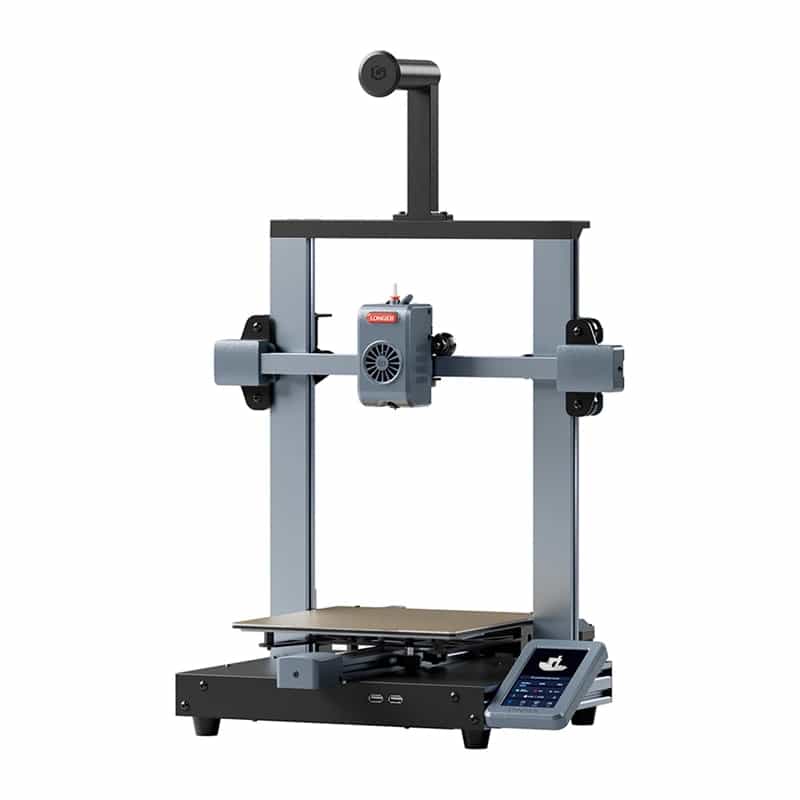
Cartesian Bed-Slinging PrintersThe heated build platform shuttles along the Y-axis; an affordable, highly accessible architecture well-suited for entry-level hobbyists and utility prints.
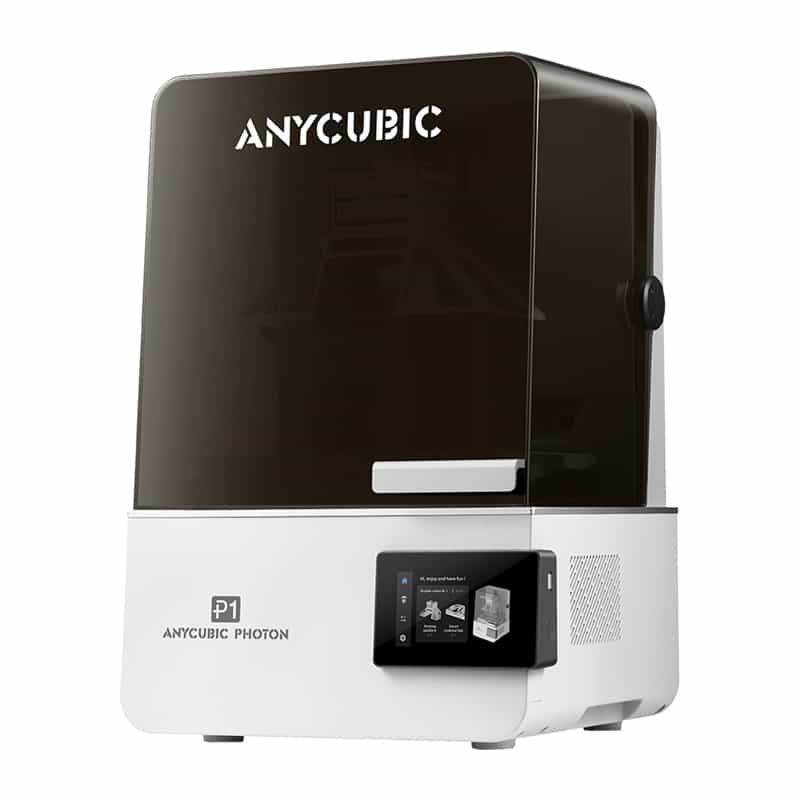
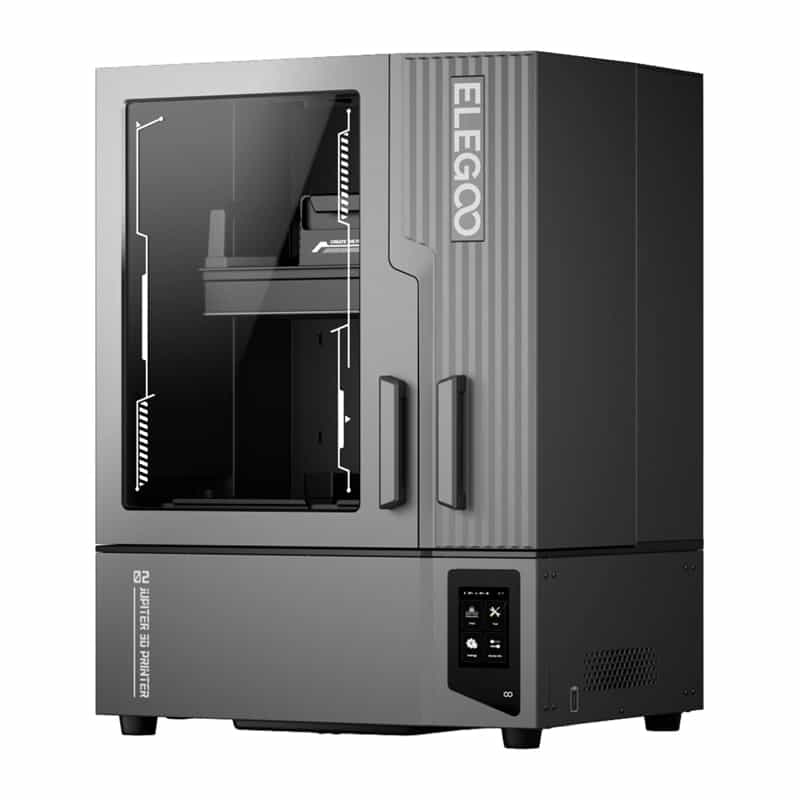
MSLA / LCD Resin 3D Printing (8K to 14K Resolution)UV light cures liquid photopolymer resin layer-by-layer through a monochrome LCD mask, yielding injection-mold-smooth fidelity for miniatures and jewelry.
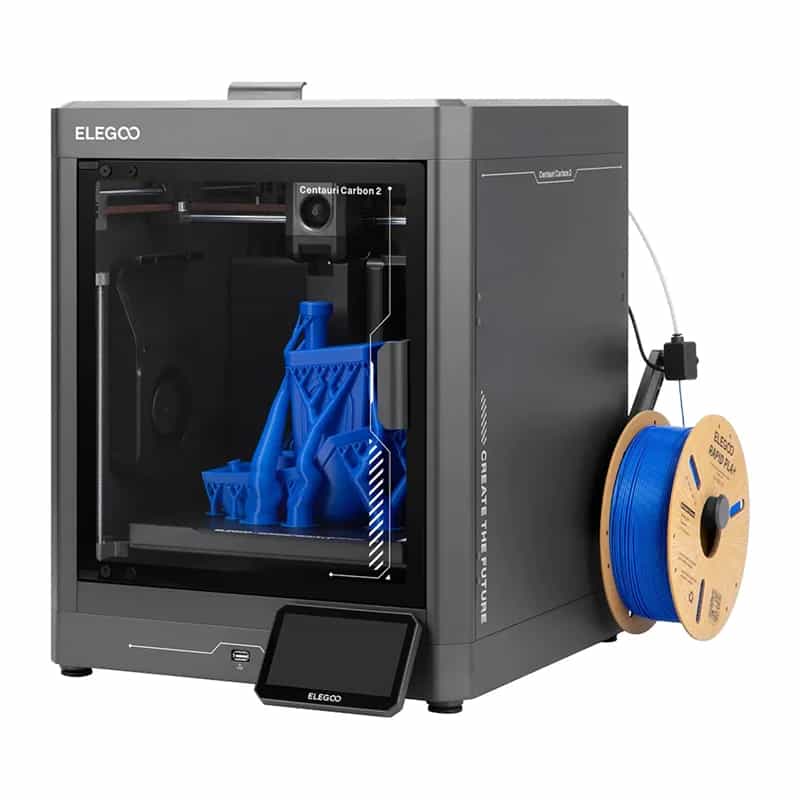
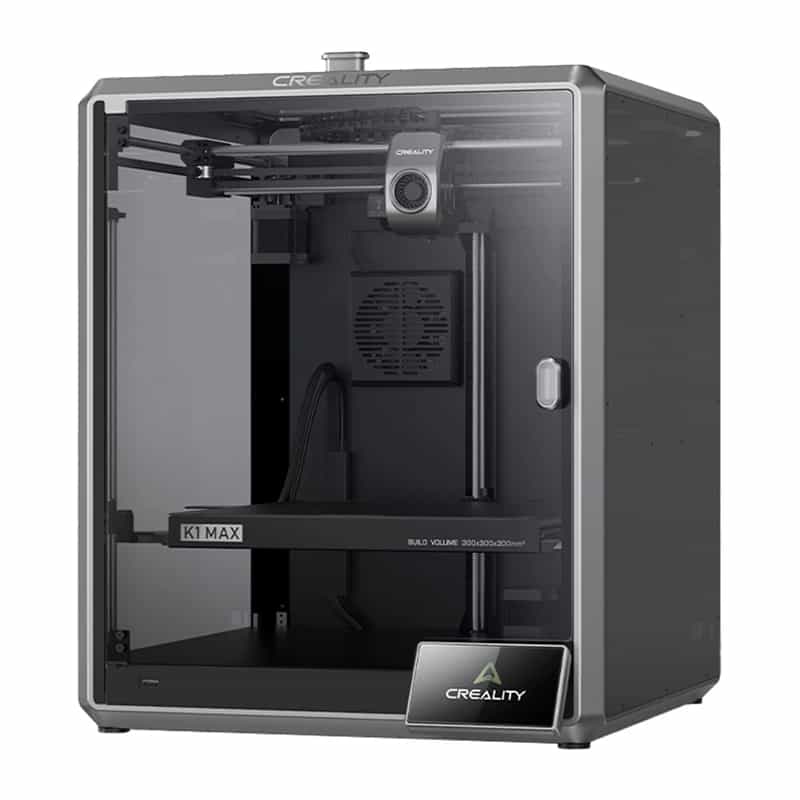
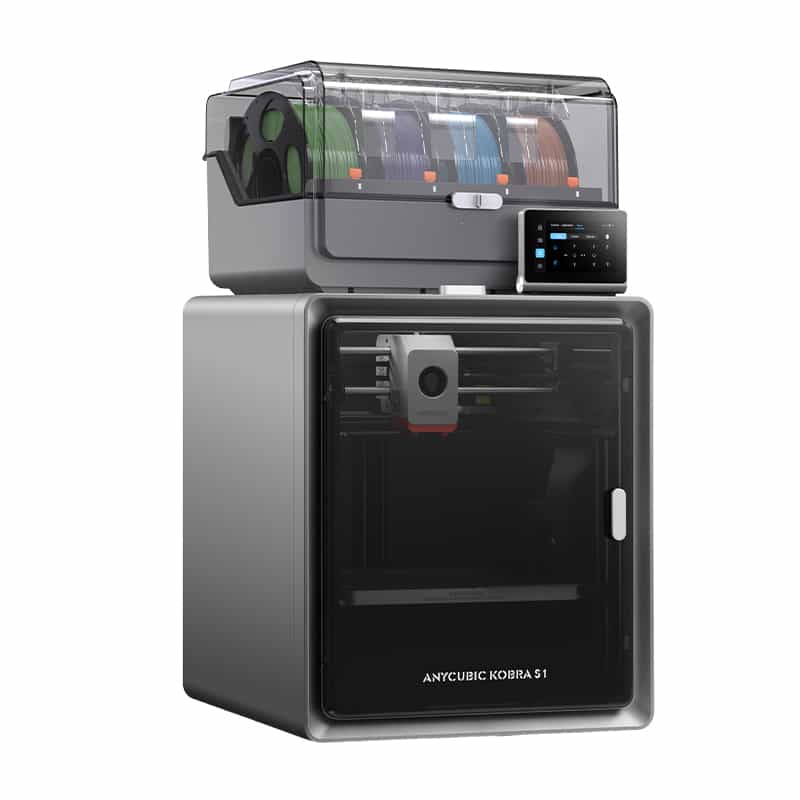
Enclosed Heated Chambers and Fume FiltrationMaintains ambient chamber temperatures to eliminate warping and delamination on ABS, ASA, and polycarbonate, with HEPA/carbon filters trapping VOCs.
Extruder Drives, Nozzles, and Thermal Capabilities
Direct Drive Extrusion vs. Bowden Tube FeedingMounts the drive gears directly above the melt zone for instantaneous, micrometer-precise retractions and flawless printing of flexible TPU filaments.
All-Metal Hotends Rated up to 300°CExpands material compatibility beyond basic PLA and PETG to industrial filaments, including structural Nylon (PA), Polycarbonate (PC), and CF-composites.
Hardened Steel and Bimetallic Wear-Resistant NozzlesStandard brass nozzles wear out within hours of running carbon-fiber filaments; hardened tool steel nozzles resist abrasion across hundreds of printing hours.
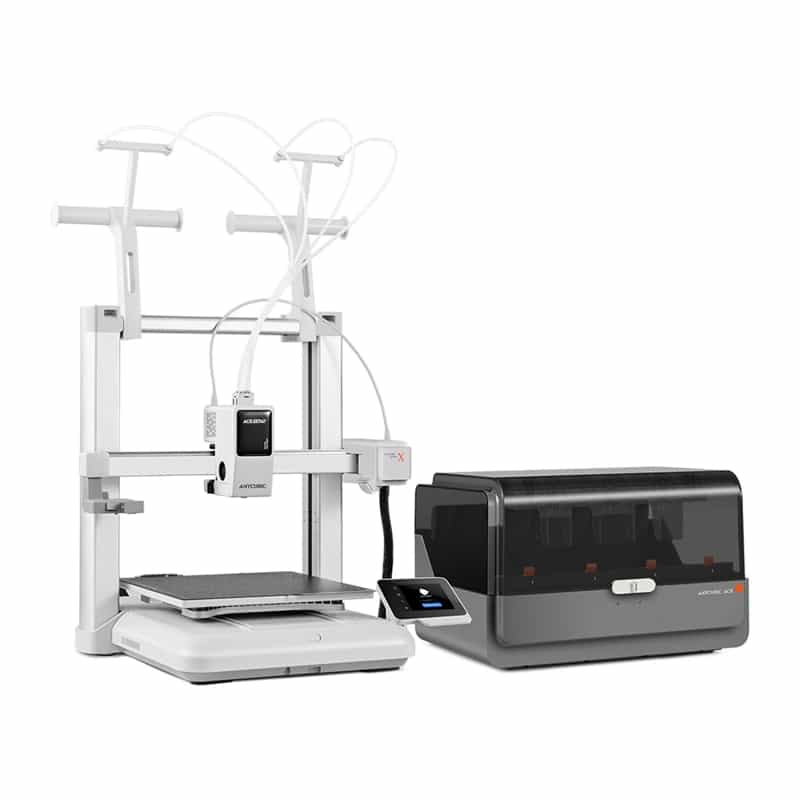
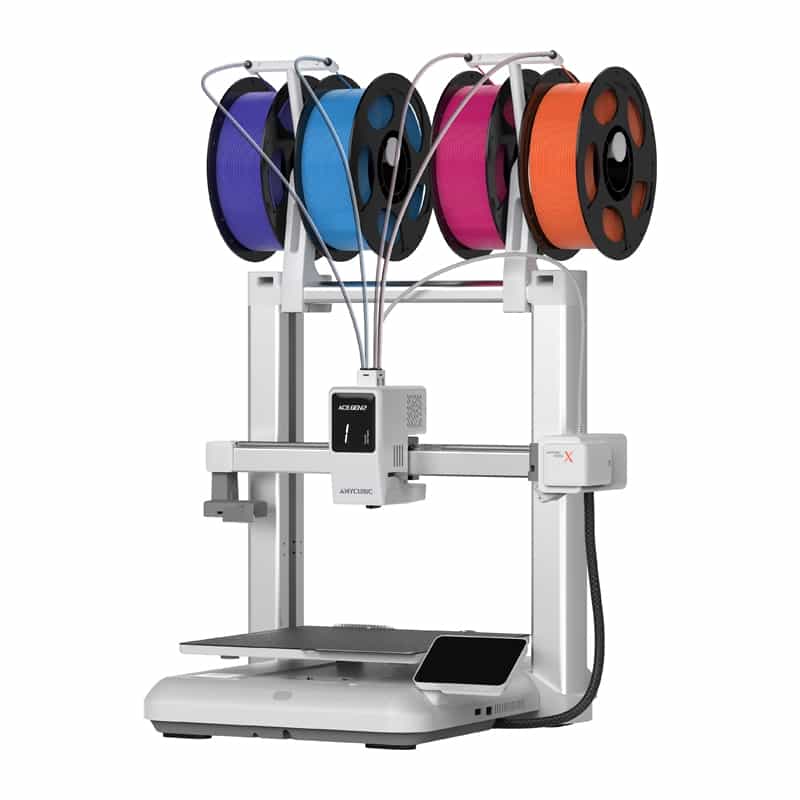
Multi-Material and Multi-Color Automated SystemsMulti-spool filament management units (such as AMS) automatically swap filaments for multi-color models and water-soluble support interfaces (PVA).
Leveling Sensors, Build Plates, and Modern Slicers
Automated Strain-Gauge Bed Mesh LevelingNozzle-integrated strain sensors probe the build sheet directly, mapping microscopic surface variances into a digital mesh for a perfect first layer.
Textured Magnetic Spring Steel PEI SheetsDelivers tenacious thermal adhesion while heated; once cooled, finished parts pop off effortlessly with a gentle flex of the spring steel plate.
Vibration Compensation (Input Shaping / Klipper)Onboard resonance accelerometers analyze frame vibration frequencies, calculating motor step adjustments to eliminate ghosting and ringing at high speeds.
Next-Gen Slicers and AI Print Failure DetectionGenerates material-saving tree supports, while integrated toolhead AI cameras detect spaghetti extrusion failures and pause jobs automatically.
Frequently Asked Questions about 3D Printers
What is the key difference between an FDM (filament) and a Resin (MSLA) 3D printer?
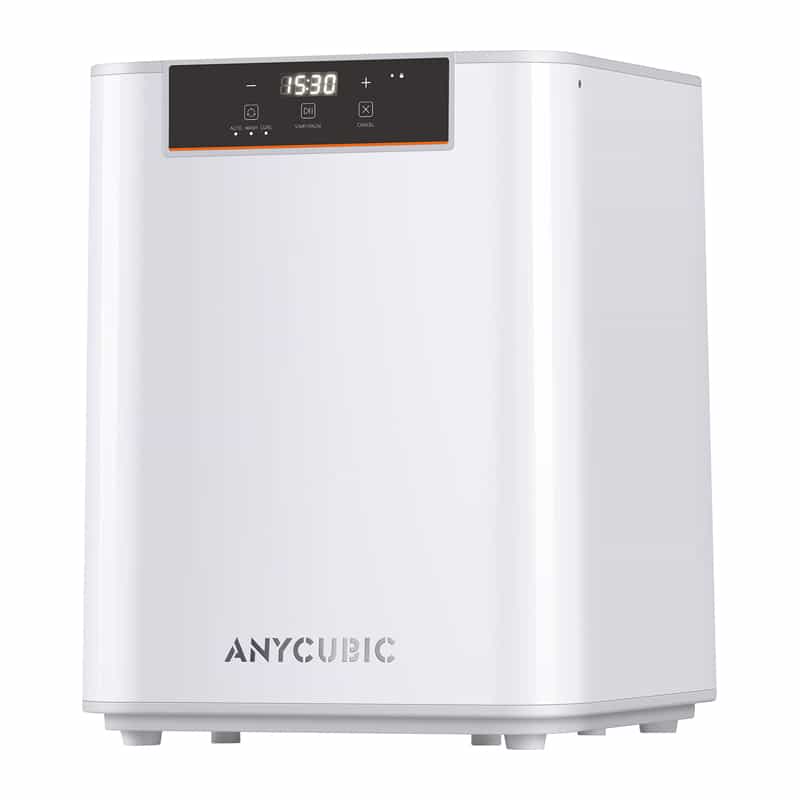
FDM printers melt thermoplastic filament (such as PLA or PETG) and extrude it layer by layer through a heated nozzle. FDM is clean, cost-effective, and excels at strong functional parts, brackets, and mechanical enclosures. Resin printers cure liquid photopolymer with UV light, yielding microscopic detail and invisible layer lines for tabletop miniatures and dental models, but require nitrile gloves, isopropanol (IPA) washing, and UV curing stations.
Why do CoreXY 3D printers print substantially faster than traditional printers?
Traditional 'bed-slingers' move the heavy heated build platform and the printed model back and forth along the Y-axis, creating massive inertia and vibration when exceeding 100 mm/s. In a CoreXY setup, the bed only moves vertically (Z-axis), allowing a featherweight toolhead to dart across the XY plane driven by two synchronized frame-mounted motors with accelerations exceeding 10,000 to 20,000 mm/s² without ringing.
Which filament should a beginner choose for their first prints?
PLA (Polylactic Acid) is the most forgiving filament. It requires no heated enclosure, produces no noxious fumes, adheres easily to build plates at modest temperatures (50–60°C), and suffers virtually zero thermal shrinkage. For heat-resistant outdoor or automotive parts, PETG is the ideal next step.
How do I troubleshoot prints not sticking to the build plate?
The vast majority of first-layer bed adhesion failures are caused by fingertip oil residues or an incorrect nozzle height (Z-offset). Wash your textured PEI sheet with warm water and ordinary dish soap (alcohol often just smears grease around without breaking it down), dry thoroughly, and run the printer's automated bed-leveling calibration.