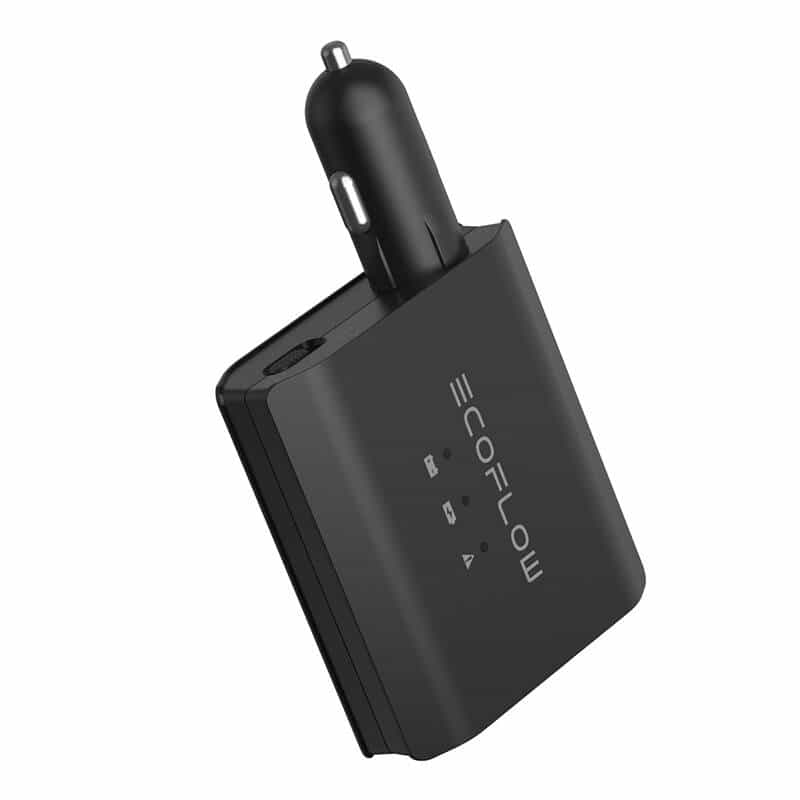
Jump Starters
Automotive Jump Starters Buyer Guide: Peak Amps, Cold Cranking (CCA), and Smart Safety Clamps
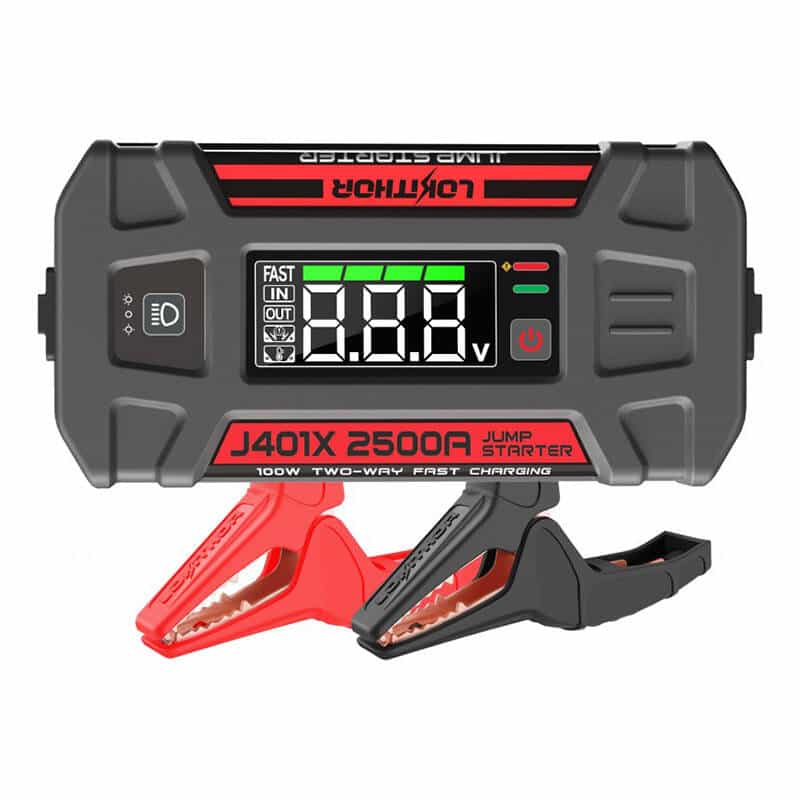
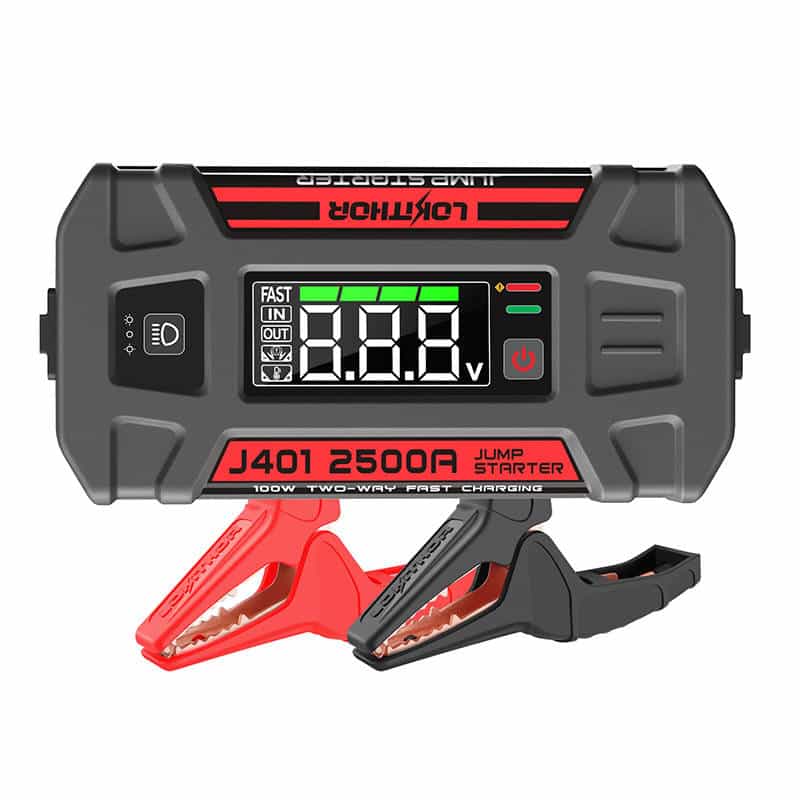
Compact lithium car battery jump starters (booster packs) resurrect dead vehicle batteries within seconds without relying on a donor car or roadside assistance. This engineering guide details peak pulse current ratings (1500A to 4000A), cold cranking performance (CCA), reverse polarity spark-proof clamps, diesel versus gasoline displacement requirements, and winter battery chemistry.
Read Buyer's GuideShow less
Cranking Power, Peak Current, and Engine Displacement
Peak Instantaneous Pulse Current (1500A to 4000A)Delivers a violent surge of cranking power capable of turning over high-displacement engines with dead or frozen lead-acid batteries.
Gasoline vs. Diesel Requirements (Up to 10.0L Gas / 8.0L Diesel)High-compression diesel engines demand substantially higher cranking amperage to power pre-heat glow plugs and overcome thick, cold oil.
Cold Cranking Amps (CCA) Performance (-20°C to -30°C)Industrial-grade lithium-cobalt cells (high-discharge 60C–80C burst ratings) sustain cranking voltage under severe sub-zero Nordic winter freezes.
Deeply Discharged Battery Force-Start (Boost / Override)A dedicated hardware override button bypasses automatic voltage checks to deliver full current to batteries completely drained below 2 volts.
Smart Clamps and Multi-Stage Safety Electronics
Reverse Polarity Spark-Proof ProtectionInstantly shuts off power and triggers audible warning beepers if alligator clamps are mistakenly crossed between positive and negative terminals.
Spark-Proof Optical Clamping TechnologyKeeps terminal jaws completely dead until the smart microprocessor verifies solid, low-resistance physical contact with battery posts.
Reverse Charge Blocking DiodesHeavy-duty Schottky diodes prevent the vehicle's high-voltage alternator current from feeding backward into the lithium pack post-ignition.
Solid Copper Jaw Contacts and Heavy 8–10 AWG CablesThick silicone-jacketed copper leads minimize voltage sag under 1,000A+ loads, preventing thermal softening during multiple cranking attempts.
Multi-Functional Power, Fast Charging, and Emergency Gear
High-Speed USB-C Power Delivery (Up to 60W–100W)Doubles as a heavy-duty portable power bank to fast-charge laptops, tablets, and phones on road trips or during residential grid blackouts.
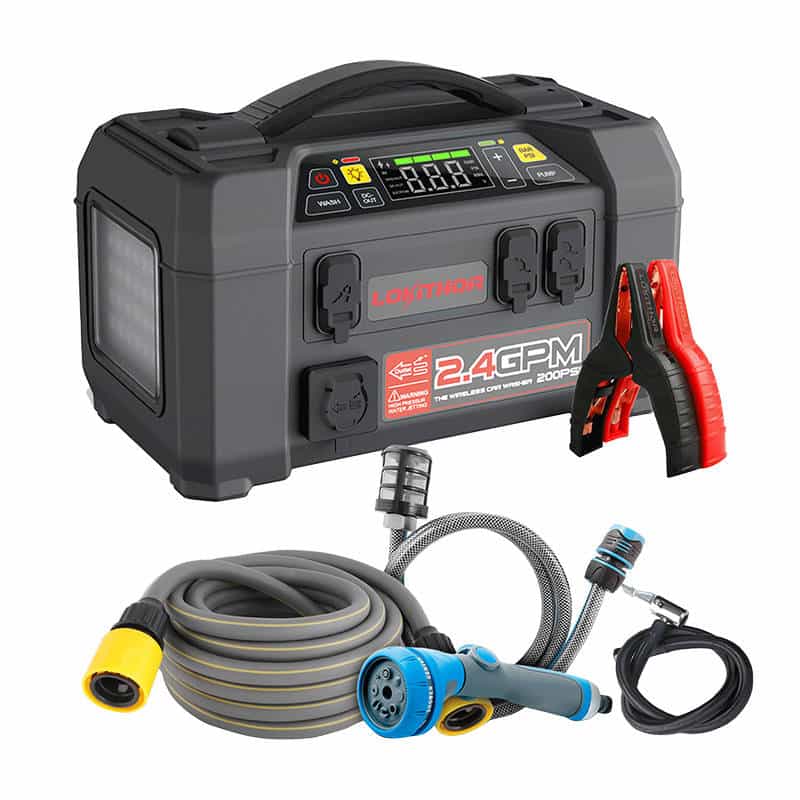
12V 10A DC Barrel Output for Car AccessoriesDirectly runs 12V portable tire inflators, camping refrigerators, vacuums, and small inverters completely off-grid.
High-Lumen Tactical LED Worklight (Strobe & SOS)A 400–500 lumen worklight illuminates under-hood battery compartments in pitch black, while high-visibility strobe warns oncoming highway traffic.
Ultra-Low Self-Discharge (Ready for up to 12 Months)Advanced low-quiescent microcontrollers preserve starting charge in your glove box for months without needing frequent top-off charges.
Frequently Asked Questions about Portable Jump Starters
What size jump starter do I need for my car?
Sizing depends on engine displacement and fuel type. For standard 1.5L to 2.5L 4-cylinder gasoline vehicles, a jump starter delivering 1000A to 1500A peak current is plenty. For larger 2.0L to 3.5L diesel engines, trucks, and SUVs, you should choose a unit rated for at least 2000A to 3000A peak, as diesel compression ratios and glow plugs draw massive amperage in cold weather.
What should I do if the booster clamps are connected but the green ready light won't illuminate?
If your car's lead-acid battery is completely dead (sitting below 2 to 3 volts), the booster's safety microchip cannot detect battery resistance and keeps the output relays open. To resolve this, locate the 'Boost' or 'Override' button on the smart clamp module and hold it down for 2 to 3 seconds. This forces the circuit live, allowing you to start the engine within the next 30 seconds.
Can I leave a lithium jump starter inside my car during freezing winter months?
You can keep it in your glove compartment, but under extreme sub-zero conditions (-20°C / -4°F), all lithium battery chemistries experience temporary 30% to 40% drops in discharge burst power. During deep cold snaps, keeping the booster indoors at room temperature and bringing it out to the car ensures 100% of its rated peak cranking amps are available on the first turn of the key.
How quickly must I disconnect the jump starter once the engine starts?
You should disconnect the alligator clamps within 30 seconds of the engine firing up. While modern jump starters incorporate reverse-charge diode blocks, your vehicle's alternator immediately begins pumping 14.2V to 14.7V into the battery circuit. Promptly removing the clamps protects the jump starter's internal power transistors from excessive thermal stress.